 admin1
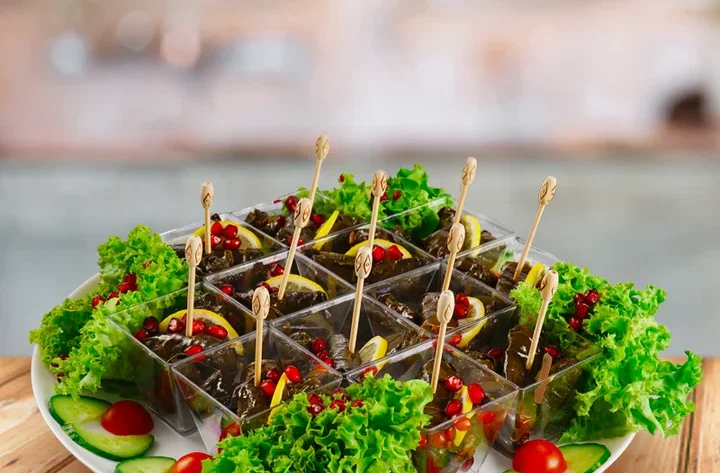
 Warak Enab is a traditional dish widely enjoyed across the Levant, including Palestine, Lebanon, Syria, and Jordan, as well as parts of Turkey and Greece under similar variations. It consists of grape vine leaves stuffed with a seasoned mixture of rice, herbs, and sometimes minced meat, then carefully rolled and slowly cooked in a lemony broth. The dish is famous for its delicate rolling technique, balanced tangy flavor, and soft melt-in-the-mouth texture. It is commonly served as part of mezze spreads or as a main dish for family gatherings and special occasions.
This is a detailed large-family recipe serving about 8 to 10 people.
Ingredients required include 1 large jar preserved grape leaves or about 60 to 80 fresh grape leaves, 2 cups short-grain or medium-grain rice, 500 grams minced beef or lamb (optional for meat version), 2 large onions finely chopped, 1 large bunch fresh parsley finely chopped, 1/2 bunch fresh mint finely chopped, 4 large tomatoes finely diced, 1/4 cup olive oil, 1 tablespoon salt or to taste, 1 teaspoon black pepper, 1 teaspoon allspice, 1 teaspoon cinnamon, 1 teaspoon ground coriander, juice of 3 to 4 lemons, 4 cups vegetable or meat broth, 2 tablespoons tomato paste, 2 cloves garlic sliced, 2 large potatoes sliced into rounds for lining the pot, and 1 tablespoon pomegranate molasses optional for deeper flavor.
Begin by preparing the grape leaves. If using preserved leaves, rinse them thoroughly under cold water to remove excess brine and soak them for about 15 to 20 minutes. If using fresh leaves, blanch them in boiling water for 1 to 2 minutes until they soften, then drain and set aside.
Wash the rice thoroughly until the water runs clear, then soak it for 20 to 30 minutes. Drain well. This helps the rice cook evenly inside the rolls. If using minced meat, mix it with the rice, chopped onions, parsley, mint, diced tomatoes, olive oil, salt, black pepper, allspice, cinnamon, and ground coriander. Mix everything thoroughly until well combined and evenly seasoned. The filling should be moist but not watery.
Prepare a large heavy-bottomed pot by lining the bottom with potato slices. This prevents sticking and also adds flavor during cooking. You can also add a few tomato slices and garlic cloves over the potatoes for extra aroma.
Lay a grape leaf on a flat surface, shiny side down and vein side up. Place a small spoon of filling near the base of the leaf. Fold the sides inward, then roll tightly from the bottom to form a small cigar-shaped roll. The roll should be firm but not too tight, as the rice will expand during cooking. Repeat until all filling and leaves are used.
Arrange the rolled grape leaves tightly in layers inside the pot over the potatoes. The rolls should be packed snugly to prevent them from opening during cooking. You can place a plate on top of the rolls to keep them pressed down while cooking.
In a separate bowl mix broth, lemon juice, tomato paste, salt, and pomegranate molasses if using. Pour this mixture over the stuffed grape leaves until they are just covered. If needed, add a little extra water.
Place the pot on medium heat until it begins to simmer. Once boiling, reduce heat to very low, cover tightly, and allow it to cook slowly for about 60 to 90 minutes. The slow cooking allows the rice to absorb the lemony broth and the grape leaves to become tender and flavorful.
After cooking, allow the pot to rest for at least 15 to 20 minutes. This helps the rolls set and makes them easier to remove without breaking.
To serve, carefully invert the pot onto a large serving platter or gently lift the rolls out in layers. The bottom potatoes are often served alongside the rolls as a delicious bonus.
Warak Enab is traditionally served with plain yogurt, cucumber yogurt salad, fresh bread, olives, and pickles. It can be enjoyed warm or at room temperature and is often part of a larger mezze spread including hummus, baba ghanoush, and tabbouleh.
For best results, use slightly tangy lemon-forward broth, and avoid overstuffing the leaves so the rice cooks evenly. Tight layering in the pot is important to prevent unraveling. Some regional variations include adding currants, pine nuts, or extra herbs for sweetness and aroma.
This large recipe produces tender, flavorful stuffed grape leaves with a bright lemony taste, soft rice filling, and aromatic herbs, making it one of the most cherished and time-honored dishes in Levantine cuisine.