 admin1
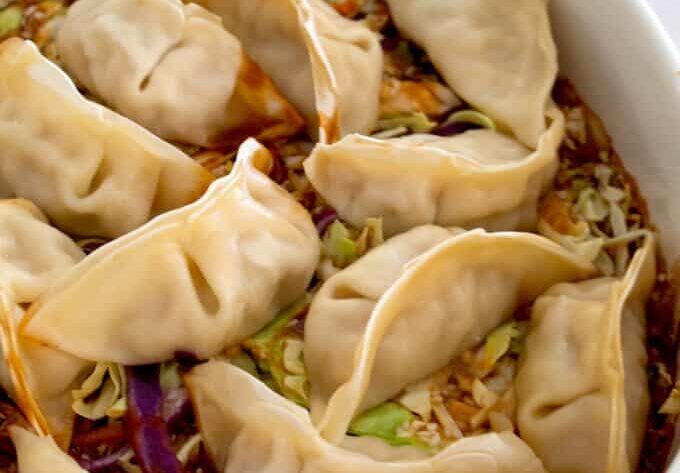
 Wonton are a traditional Chinese dumpling often served in soup or deep-fried, known for their silky thin wrappers and light, juicy filling. Compared to jiaozi or gyoza, wontons are usually smaller, more delicate, and shaped differently so they cook quickly and absorb broth beautifully.
To make wontons at home, start with the wrapper. You can either buy ready-made wonton skins or make them from scratch. For homemade wrappers, mix about two cups of all-purpose flour with one egg and a small pinch of salt. Slowly add water (about half a cup, adjust as needed) and mix until a rough dough forms. Knead it for around ten minutes until smooth and elastic. The dough should be firm but soft enough to roll very thin. Cover it and let it rest for at least thirty minutes so it becomes easier to stretch and roll out. After resting, roll the dough into a very thin sheet and cut it into small squares, usually about 7 to 9 centimeters each.
Now prepare the filling. The most common version uses minced pork or a mix of pork and shrimp. Take about 400–500 grams of minced pork and place it in a bowl. Add finely chopped shrimp if you want a more delicate texture. Mix in finely chopped spring onions, minced ginger, and sometimes a little garlic depending on preference. Season with soy sauce, salt, white pepper, and a few drops of sesame oil. A small amount of sugar is sometimes added to balance the flavor. For extra tenderness, you can stir in a tablespoon or two of water or stock and mix vigorously until the filling becomes slightly sticky and smooth. This helps create that soft, juicy wonton texture after cooking.
Once the filling is ready, begin wrapping. Place a small amount of filling in the center of a wonton skin. Wonton wrapping is different from other dumplings because it is looser and less sealed. One common method is to wet the edges lightly with water, fold the wrapper diagonally into a triangle, and press gently. Then bring the two bottom corners together and press them to form a traditional “ingot” shape. Another simple method is to pinch all four corners together at the top, creating a pouch-like shape. The key is not to overfill, because wontons are delicate and cook quickly.
For wonton soup, bring a pot of chicken or pork broth to a gentle boil. Season it with salt, white pepper, a little soy sauce, and sesame oil. You can also add ginger slices or garlic for extra aroma. Drop the wontons carefully into the simmering broth. They usually cook very fast, in about three to five minutes. You’ll know they are ready when they float to the surface and the wrappers turn slightly translucent and soft. Serve them immediately in the hot broth, often topped with chopped spring onions or coriander for freshness.
If you prefer fried wontons, heat oil in a deep pan and fry the wrapped wontons until they turn golden and crispy. The wrapper becomes crunchy while the inside stays soft and flavorful. Fried wontons are often served with sweet chili sauce or soy-based dips.
Vegetarian wontons are also popular and can be made with finely chopped mushrooms, cabbage, carrots, tofu, and glass noodles. The key is to squeeze out excess moisture from vegetables so the filling stays firm and does not break the wrapper.
You can also freeze uncooked wontons. Place them on a tray so they don’t touch, freeze until solid, then store in bags. They can be cooked directly from frozen without thawing, just add an extra minute or two to cooking time.
The secret to good wontons is a very thin wrapper, a lightly seasoned but juicy filling, and gentle cooking so they remain soft and silky. When done properly, they feel light in the mouth and soak up the flavor of the broth beautifully, making them one of the most comforting Chinese dumpling dishes.