 admin1
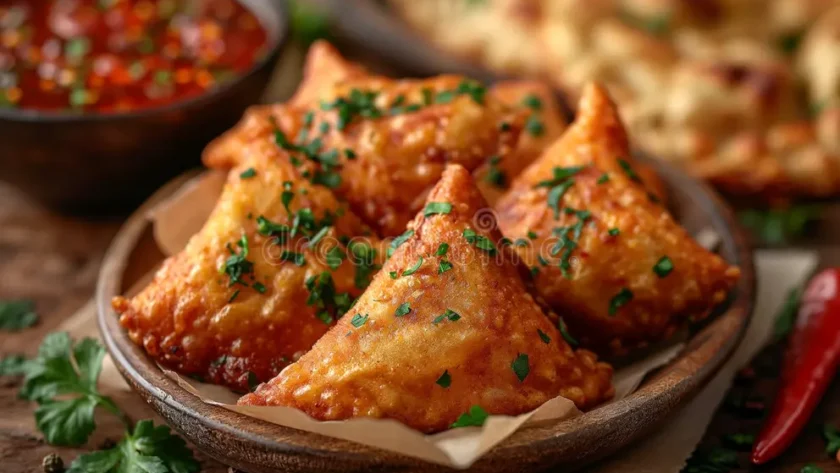
 Samosa dumplings are a fusion-style idea that combines the crisp, spiced filling concept of South Asian samosas with the folding and bite-sized shape of dumplings. Instead of the traditional triangular pastry, the filling is wrapped in small dumpling skins or thin homemade dough sheets and then steamed, boiled, or pan-fried depending on the style you want. The result is a hybrid snack that keeps the bold spice of samosas but feels closer in texture and eating style to Asian dumplings like wontons or gyoza.
To start, prepare the dough first because it needs resting time. Take about two cups of all-purpose flour and add a pinch of salt. Slowly mix in warm water little by little until a rough dough forms. Knead it for about ten minutes until it becomes smooth and elastic. The dough should not be too soft because it needs to hold a spiced filling without breaking, but it also should not be too stiff or it will be hard to fold. Once kneaded, coat it lightly with oil, cover it, and let it rest for at least thirty to forty-five minutes so it becomes pliable and easy to roll.
While the dough is resting, prepare the filling, which is the heart of samosa dumplings. A classic version uses potatoes and peas as the base. Boil potatoes until soft, then mash them lightly so they still have some texture. In a pan, heat a small amount of oil and add cumin seeds, letting them sizzle to release aroma. Then add finely chopped onions and cook until soft and slightly golden. Add ginger and green chilies for heat, followed by spices such as coriander powder, cumin powder, turmeric, garam masala, and a pinch of chili powder depending on your spice preference. Mix in boiled peas and mashed potatoes, stirring gently so the mixture stays fluffy rather than pasty. Add salt to taste and finish with fresh coriander leaves and a small squeeze of lemon juice for brightness. Let the filling cool completely before wrapping because hot filling will make the dough soggy.
Once the dough has rested, divide it into small equal portions and roll each into a thin circle. Unlike traditional samosas that are folded into cones, for dumpling-style samosas you cut the circle into smaller rounds or squares depending on your wrapping preference. The wrappers should be thin enough to feel delicate but strong enough to hold the filling without tearing.
Place a small spoon of the cooled filling in the center of each wrapper. Be careful not to overfill because the spiced potato mixture expands slightly when heated. Now fold the wrapper into your preferred dumpling shape. You can create a half-moon shape by folding it over and sealing the edges, or make small pleated dumplings by pinching the edges together for a more decorative look. The important part is sealing them tightly so no filling leaks out during cooking. If needed, use a little water along the edges to help them stick properly.
At this stage, you can choose how to cook them depending on the texture you want. For steaming, place the dumplings in a steamer lined with parchment paper or lightly oiled leaves and steam them for about ten to twelve minutes until the dough becomes soft and slightly translucent. This method gives a tender, light result where the spice aroma is more subtle and the texture is similar to Chinese-style dumplings.
For pan-frying, heat a little oil in a flat pan and place the dumplings in a single layer. Fry until the bottoms become golden and slightly crisp, then add a small amount of water and cover immediately to steam them through. Once the water evaporates, remove the lid and let the bottoms crisp again. This method gives a combination of crispy base and soft top, similar to gyoza but with samosa-style filling.
For boiling, drop the dumplings into gently boiling water and cook until they float and the dough becomes soft and cooked through. This version produces a very soft texture and is usually served with chutneys or light sauces rather than broth.
A dipping sauce enhances samosa dumplings significantly. A simple option is mint-coriander chutney blended with green chilies, lemon juice, salt, and a little yogurt for creaminess. Another option is tamarind chutney, which adds sweet and tangy contrast to the spicy filling. Even a simple yogurt dip with salt and cumin works very well.
You can also experiment with variations by adding minced meat to the filling, such as chicken or beef, cooked with the same spices until dry and flavorful. Some versions include mixed vegetables like carrots and beans for extra texture. The key is always to keep the filling dry enough so it does not break the dough.
The success of samosa dumplings depends on balance: a well-spiced but not watery filling, a flexible dough that seals easily, and careful cooking that preserves both texture and flavor. When done properly, each bite gives you the familiar warmth of samosa spices wrapped in the soft, satisfying bite of a dumpling, creating a fusion snack that feels both traditional and new.