 admin1
 Recipe Introduction
Low Carb Pancakes are a delicious alternative to traditional pancakes for those who want to reduce their carbohydrate intake while still enjoying a satisfying breakfast. Unlike regular pancakes made primarily with wheat flour and sugar, these pancakes use low-carbohydrate ingredients such as almond flour, coconut flour, eggs, and cream. The result is a soft, fluffy, golden pancake with a rich flavor and a texture that closely resembles traditional pancakes. These pancakes are suitable for low-carb lifestyles and can be customized with a variety of toppings and flavor additions. When prepared correctly, they are tender, moist, filling, and packed with flavor while containing significantly fewer carbohydrates than standard pancakes.
Preparation Time: 20 minutes
Cooking Time: 20 minutes
Total Time: 40 minutes
Servings: 4
Ingredients
2 cups finely ground almond flour
3 tablespoons coconut flour
2 teaspoons baking powder
½ teaspoon xanthan gum (optional for improved texture)
¼ teaspoon salt
4 large eggs
½ cup heavy cream
¼ cup unsweetened almond milk
3 tablespoons melted unsalted butter
2 teaspoons pure vanilla extract
2 tablespoons powdered low-carb sweetener
1 tablespoon lemon juice
Optional Ingredients for Additional Flavor
1 teaspoon ground cinnamon
¼ teaspoon nutmeg
½ teaspoon almond extract
2 tablespoons sugar-free chocolate chips
2 tablespoons chopped pecans
2 tablespoons chopped walnuts
Optional Toppings
Butter
Sugar-free maple syrup
Whipped cream
Fresh berries
Chopped nuts
Unsweetened coconut flakes
Cream cheese glaze
Preparation of Ingredients
Before beginning, gather all ingredients and allow refrigerated ingredients to reach room temperature. Room-temperature ingredients combine more easily and produce a smoother batter.
Measure each ingredient carefully. Low-carb baking relies heavily on accurate measurements because almond flour and coconut flour behave differently from wheat flour.
Sift the almond flour and coconut flour into a large mixing bowl. This removes any lumps and helps create a lighter pancake texture.
Preparing the Dry Mixture
In a large bowl, combine the almond flour, coconut flour, baking powder, xanthan gum if using, and salt.
Whisk thoroughly for several minutes to distribute the ingredients evenly.
The baking powder is responsible for creating a light and fluffy texture, while the xanthan gum helps bind the ingredients together and improves the structure of the pancakes.
Preparing the Wet Mixture
In a separate mixing bowl, crack the eggs and whisk until they become slightly frothy.
Add the heavy cream, almond milk, melted butter, vanilla extract, low-carb sweetener, and lemon juice.
Whisk continuously until the mixture becomes completely smooth and uniform.
The eggs provide structure and richness.
The cream contributes moisture and tenderness.
The butter adds flavor and helps prevent dryness.
The lemon juice reacts slightly with the baking powder, contributing additional lift.
Combining the Batter
Slowly pour the wet ingredients into the bowl containing the dry ingredients.
Use a whisk or silicone spatula to gently combine the mixture.
Stir carefully until no dry flour remains visible.
Avoid overmixing because excessive mixing can make the pancakes dense.
Once mixed, allow the batter to rest for approximately 5 to 10 minutes.
During this resting period, the coconut flour absorbs moisture and thickens the batter naturally.
After resting, evaluate the consistency.
The batter should be thick but still pourable.
If it becomes too thick, add one tablespoon of almond milk at a time until the desired consistency is achieved.
If the batter appears too thin, add a small amount of almond flour.
Preparing the Cooking Surface
Place a large non-stick skillet or griddle over medium-low heat.
Low-carb pancakes cook best at moderate temperatures because almond flour can brown more quickly than wheat flour.
Allow the pan to heat thoroughly.
Lightly grease the cooking surface with butter or a small amount of oil.
Spread the fat evenly across the surface.
Cooking the Pancakes
Using a measuring cup or ladle, pour approximately one-quarter cup of batter onto the skillet for each pancake.
Leave enough space between pancakes to allow for easy flipping.
Cook the pancakes slowly over medium-low heat.
As they cook, small bubbles may begin appearing on the surface.
The edges will start to look slightly set.
This process generally takes approximately 2 to 4 minutes.
Carefully slide a spatula underneath each pancake.
Flip gently to avoid breaking them.
Continue cooking the second side for another 2 to 3 minutes.
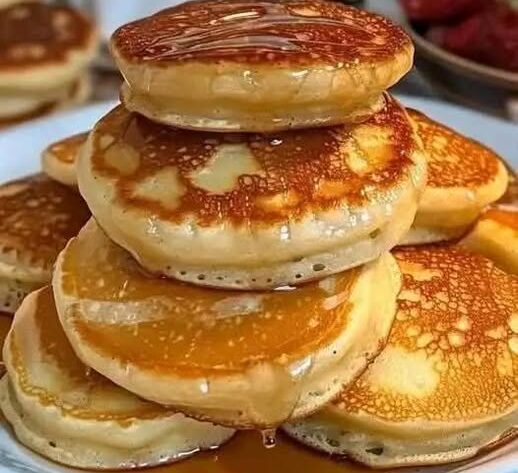
The finished pancakes should be golden brown on both sides and fully cooked in the center.
Transfer the cooked pancakes to a warm plate.
Repeat the process with the remaining batter.
Add more butter or oil to the skillet as needed.
Creating Extra-Fluffy Pancakes
For an even lighter texture, separate the eggs before preparing the batter.
Beat the egg whites in a separate bowl until soft peaks form.
Prepare the batter using only the yolks initially.
Once the batter is mixed, gently fold in the whipped egg whites.
This technique incorporates additional air and produces exceptionally fluffy pancakes.
Making Cinnamon Low Carb Pancakes
Add ground cinnamon and nutmeg to the dry ingredients.
The warm spices enhance flavor and create a breakfast that resembles cinnamon pastries.
Making Chocolate Chip Low Carb Pancakes
Fold sugar-free chocolate chips into the finished batter.
Distribute evenly before cooking.
The chocolate melts slightly during cooking and creates pockets of sweetness throughout each pancake.
Making Nutty Pancakes
Add chopped pecans or walnuts to the batter.
The nuts provide texture and complement the rich almond flavor.
Preparing a Cream Cheese Topping
In a bowl combine:
4 ounces softened cream cheese
2 tablespoons heavy cream
1 tablespoon low-carb sweetener
½ teaspoon vanilla extract
Whisk until smooth.
Drizzle over warm pancakes for a rich and creamy topping.
Preparing a Berry Topping
Combine fresh strawberries, raspberries, and blueberries in a bowl.
Lightly mash some of the berries to release their juices.
Spoon over the pancakes for natural sweetness and freshness.
Serving Suggestions
Stack several pancakes on a serving plate.
Place a small amount of butter between each layer.
Top with sugar-free syrup, whipped cream, berries, nuts, or cream cheese glaze.
These pancakes pair well with scrambled eggs, bacon, sausage, Greek yogurt, coffee, tea, or fresh fruit.
Texture and Flavor Characteristics
Properly prepared low-carb pancakes should be soft, moist, and fluffy.
The exterior should have a delicate golden crust.
The interior should remain tender and light.
The almond flour provides a slightly nutty flavor.
The butter and cream contribute richness.
The vanilla adds warmth and aroma.
The overall taste is satisfying and closely resembles traditional pancakes.
Professional Tips for Perfect Results
Use finely ground almond flour for the best texture.
Allow the batter to rest before cooking.
Cook over medium-low heat to prevent burning.
Do not rush the cooking process.
Use fresh baking powder for maximum lift.
Flip the pancakes only when the first side is properly set.
Keep finished pancakes warm in a low-temperature oven while cooking additional batches.
Common Mistakes to Avoid
Using coarse almond meal instead of almond flour can result in a gritty texture.
Cooking over high heat may burn the outside before the center cooks.
Adding too much coconut flour can make the pancakes dry.
Skipping the resting period may result in inconsistent texture.
Overmixing can create dense pancakes.
Storage Instructions
Allow the pancakes to cool completely.
Store them in an airtight container in the refrigerator for up to five days.
Place parchment paper between layers to prevent sticking.
Freezing Instructions
Arrange cooled pancakes in a single layer on a baking sheet.
Freeze until solid.
Transfer to freezer bags or airtight containers.
Store for up to three months.
Reheating Instructions
Reheat refrigerated pancakes in a skillet over low heat for several minutes per side.
Alternatively, warm them in a microwave for approximately 20 to 30 seconds.
Frozen pancakes can be reheated directly from frozen in a toaster, oven, or skillet.
Nutritional Benefits
These low-carb pancakes are significantly lower in carbohydrates than traditional pancakes.
They provide healthy fats from almond flour and butter.
The eggs contribute protein and essential nutrients.
The recipe is filling and can help maintain stable energy levels throughout the morning.
Final Result
When prepared correctly, Low Carb Pancakes are beautifully golden, soft, fluffy, and rich in flavor. They offer the comfort and satisfaction of traditional pancakes while containing far fewer carbohydrates. The combination of almond flour, cream, eggs, and butter creates a breakfast that is both indulgent and nourishing. Whether served with butter and syrup, topped with berries and whipped cream, or paired with savory breakfast foods, these pancakes provide a delicious and versatile option for anyone seeking a low-carb breakfast without sacrificing taste or texture.