 admin1
 Pierogi are traditional Polish dumplings made from a soft wheat dough and filled with savory or sweet fillings, then boiled and often pan-fried afterward for extra flavor and texture. They are one of the most versatile dumpling styles in Europe, with fillings ranging from potatoes and cheese to meat, cabbage, mushrooms, and even fruit.
To make pierogi dough, start with a large mixing bowl and add about three cups of all-purpose flour. Add a pinch of salt for flavor. In a separate bowl, whisk one egg with about three-quarters of a cup of warm water and two tablespoons of oil or melted butter. Slowly pour the wet mixture into the flour while mixing with your hand or a spoon. The dough should come together into a soft, slightly elastic mass. If it feels too dry, add a little more water; if too sticky, sprinkle a bit more flour. Once combined, knead the dough for about eight to ten minutes until smooth and pliable. The texture should be soft like playdough but not sticky. Cover it with a cloth or wrap and let it rest for at least thirty minutes so the gluten relaxes and the dough becomes easier to roll thin.
While the dough rests, prepare the filling. One of the most classic versions is potato and cheese. Boil about five medium potatoes until soft, then mash them until smooth. Add fried onions cooked in butter until golden and sweet. Mix in a soft cheese such as farmer’s cheese or ricotta, along with salt and black pepper to taste. The filling should be thick, creamy, and easy to shape without being watery. Another very popular version is meat filling, made from ground beef or pork cooked with onions, garlic, salt, pepper, and sometimes marjoram for a traditional Eastern European aroma. You can also make mushroom and cabbage filling by sautéing finely chopped mushrooms and fermented or fresh cabbage until all moisture evaporates and the mixture becomes rich and concentrated. For sweet pierogi, fillings like sweetened berries, cherries, or sweetened cottage cheese are commonly used, often served with sugar or cream.
Once the dough has rested, roll it out on a lightly floured surface until it is about two to three millimeters thick. It should be thin enough to feel delicate but strong enough to hold filling without tearing. Use a glass or round cutter to cut out circles, usually about seven to nine centimeters in diameter.
Place a small spoon of filling in the center of each circle. Be careful not to overfill because pierogi must be sealed tightly. Fold the dough over into a half-moon shape and press the edges firmly together. You can crimp the edges with your fingers or a fork to ensure a strong seal and also create the traditional ridged pattern. Make sure there are no air pockets inside because trapped air can cause pierogi to burst while boiling. Place finished dumplings on a floured tray so they do not stick.
To cook pierogi, bring a large pot of salted water to a gentle boil. Drop them in carefully in batches so they do not overcrowd. Stir gently to prevent sticking. Once they float to the surface, let them cook for another one to two minutes to ensure the dough is fully cooked. Remove them with a slotted spoon and drain.
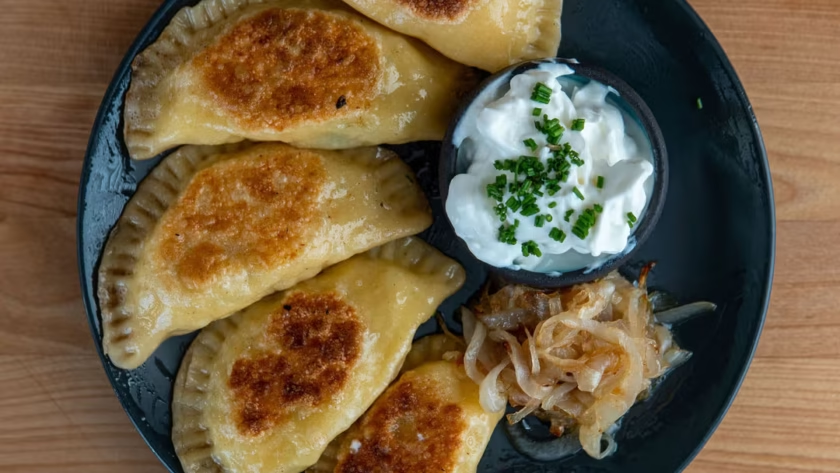
At this stage, pierogi are already cooked and soft, but many people prefer to pan-fry them afterward. Heat a pan with butter or oil and fry the boiled pierogi until the outside becomes golden and slightly crisp. This adds a rich flavor and improves texture by creating a contrast between the soft filling and crispy exterior.
Pierogi are often served with toppings such as sautéed onions in butter, sour cream, crispy bacon bits, or fresh herbs like dill or parsley. These toppings enhance the richness and balance the dumplings with acidity or smokiness depending on what is used.
You can also prepare pierogi in advance. After shaping them, freeze them in a single layer before transferring to bags. They can be boiled directly from frozen without thawing, which makes them very convenient for meal prep.
The key to good pierogi is a soft, elastic dough that is rolled evenly, a well-seasoned filling that is not too wet, and careful sealing to keep everything inside during cooking. When done properly, pierogi are tender, comforting, and deeply flavorful, with endless variations that make them suitable for both savory meals and sweet desserts.