 admin1
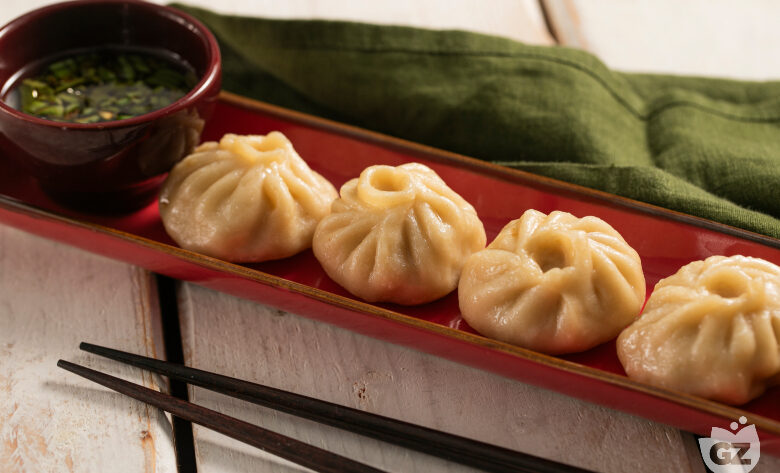
 Jiaozi are traditional Chinese dumplings made with a thin wheat-based dough wrapped around a flavorful filling, usually meat and vegetables, then boiled, steamed, or pan-fried. To make a very detailed homemade version, start with the dough because it decides the texture. You take about three cups of plain flour and slowly add warm water while mixing with chopsticks or your hand until the flour starts forming clumps. The goal is a slightly firm but smooth dough, not sticky and not dry. Once it comes together, knead it for around ten to fifteen minutes until it becomes elastic and soft. If it feels too hard, you can add a few drops of water; if too sticky, dust with a bit more flour. After kneading, cover the dough with a damp cloth or plastic wrap and let it rest for at least forty-five minutes to one hour. This resting step is important because it relaxes the gluten and makes rolling easier later.
While the dough is resting, prepare a classic filling. A very common version uses minced pork combined with cabbage. Finely chop napa cabbage and sprinkle a little salt over it, then let it sit for ten minutes to draw out excess water. After that, squeeze it firmly to remove moisture so the filling does not become watery. In a large bowl, combine about five hundred grams of minced pork with the squeezed cabbage. Add finely chopped spring onions, minced ginger, soy sauce, a small amount of sesame oil, white pepper, and a pinch of salt. For extra juiciness, you can also add a few tablespoons of water or broth into the meat mixture while stirring vigorously in one direction until it becomes slightly sticky and well bound. This improves the texture when cooked. Some people also add a little sugar to balance flavors or a splash of rice wine for aroma. Once mixed, let the filling rest in the fridge so the flavors deepen.
When the dough has rested, roll it into a long rope and cut it into small equal pieces. Each piece should be rolled into a small ball, then flattened with your palm. Using a rolling pin, roll each piece into a thin round wrapper, slightly thicker in the center and thinner at the edges so it holds the filling without breaking. Try to keep them uniform so cooking is even.
Now comes the wrapping process. Place a small spoon of filling in the center of each wrapper, being careful not to overfill or it will burst during cooking. Fold the wrapper in half and pinch the edges tightly to seal. You can simply make a half-moon shape or create pleats by folding small sections of the edge over itself, pressing firmly as you go. The key is ensuring there are no air gaps, because trapped air can cause cracking when boiling. As you finish each dumpling, place it on a lightly floured tray so they do not stick together.
At this stage you can cook them in different ways. For boiling, bring a large pot of water to a strong boil and gently drop in the dumplings, stirring lightly so they do not stick to the bottom. When they float, add a small cup of cold water and let it come back to a boil again; repeating this once or twice helps ensure the filling is fully cooked. Once they float again and the skins look slightly translucent, they are ready to serve. For pan-frying, heat a little oil in a flat pan, place dumplings in and fry until the bottoms are golden. Then add a small amount of water and immediately cover with a lid so they steam. Once the water evaporates, remove the lid and let them crisp again at the bottom. For steaming, place them on parchment or cabbage leaves in a steamer and cook over boiling water for about ten to twelve minutes until the wrappers become glossy and tender.
A dipping sauce enhances the flavor significantly. A simple traditional sauce can be made with soy sauce, black vinegar, minced garlic, and a few drops of chili oil if you like heat. Some people also add sesame paste or finely chopped coriander for extra aroma.
If you want variations, you can replace pork with chicken, shrimp, or a mixture of shrimp and pork for a more delicate taste. Vegetarian versions often use mushrooms, tofu, carrots, glass noodles, and cabbage seasoned with soy sauce and sesame oil. The technique remains the same, but vegetable fillings should always be squeezed well to avoid excess moisture.
You can also prepare dumplings in advance. After shaping them, place them on a tray without touching and freeze them until solid, then transfer to bags. Frozen dumplings can be cooked directly without thawing; just add a few extra minutes to boiling or steaming time.
The overall success of Jiaozi depends on balance: a tender but elastic wrapper, a juicy but not watery filling, and proper sealing. Once you master the base method, you can experiment endlessly with different fillings and cooking styles while keeping the same traditional foundation.