 admin1
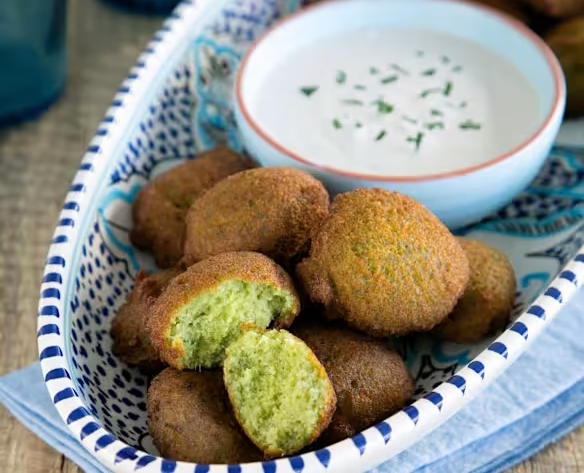
 Falafel is one of the most iconic dishes of Middle Eastern cuisine, loved for its crispy exterior, fluffy herb-filled interior, and rich savory flavor. Traditionally made from dried chickpeas, fresh herbs, garlic, onions, and aromatic spices, falafel is commonly served in pita bread with fresh vegetables, pickles, and tahini sauce. It can also be enjoyed as an appetizer, snack, or part of a mezze platter. This detailed recipe creates a large batch of authentic falafel that serves approximately 8 to 10 people.
Ingredients required include 500 grams dried chickpeas, 1 large onion roughly chopped, 8 garlic cloves peeled, 1 large bunch fresh parsley, 1 large bunch fresh coriander leaves, 1 cup fresh dill leaves if available, 2 teaspoons salt or according to taste, 2 teaspoons ground cumin, 2 teaspoons ground coriander, 1 teaspoon black pepper, 1 teaspoon paprika, 1 teaspoon baking powder, 2 tablespoons sesame seeds, 2 tablespoons chickpea flour or all-purpose flour if needed, and vegetable oil for frying.
Begin by washing the dried chickpeas thoroughly. Place them in a large bowl and cover with plenty of cold water. Allow them to soak for at least 18 to 24 hours. The chickpeas will nearly double in size during soaking. Drain and rinse them thoroughly before use. Do not cook the chickpeas. Authentic falafel is made from soaked uncooked chickpeas.
Add the soaked chickpeas to a food processor along with the chopped onion, garlic, parsley, coriander, and dill. Process the mixture in batches if necessary. The texture should be finely ground but not completely smooth. It should resemble coarse wet sand rather than a paste.
Transfer the mixture to a large bowl. Add salt, cumin, coriander, black pepper, paprika, sesame seeds, and baking powder. Mix thoroughly until all ingredients are evenly combined. If the mixture seems too wet, add chickpea flour one tablespoon at a time until it holds together when pressed between your fingers.
Cover the bowl and refrigerate the falafel mixture for at least one hour. Chilling allows the flavors to develop and helps the mixture hold its shape during frying.
While the mixture chills, prepare the tahini sauce. Combine 1 cup tahini, 1/3 cup fresh lemon juice, 2 crushed garlic cloves, 1 teaspoon salt, and enough cold water to create a smooth pourable consistency. Whisk until creamy and set aside.
Remove the falafel mixture from the refrigerator. Using your hands, a small scoop, or a falafel mold, shape the mixture into small balls or slightly flattened patties. Each piece should be compact enough to hold together but not overly compressed.
Heat vegetable oil in a deep heavy pot to approximately 175°C. Carefully lower several falafel pieces into the hot oil without overcrowding the pot. Fry for 4 to 6 minutes, turning occasionally, until deep golden brown and crisp on all sides.
Remove the cooked falafel using a slotted spoon and place on paper towels to drain excess oil. Continue frying the remaining batches until all the mixture has been used.
For a healthier alternative, falafel can also be baked. Arrange the shaped falafel on a lightly oiled baking tray, brush them with olive oil, and bake at 200°C for approximately 25 to 30 minutes, turning halfway through cooking. Although baked falafel is less crispy than fried falafel, it still offers excellent flavor.
To assemble a traditional falafel sandwich, warm pita bread and fill it with several falafel pieces. Add chopped tomatoes, cucumbers, lettuce, parsley, pickles, and sliced onions. Drizzle generously with tahini sauce and wrap tightly before serving.
Falafel can also be served as part of a mezze platter alongside hummus, baba ghanoush, tabbouleh, olives, pickled vegetables, fresh herbs, and warm bread.
For the best results, always use dried chickpeas rather than canned chickpeas. Canned chickpeas contain too much moisture and can cause the falafel to fall apart. Fresh herbs are essential and should be used generously, as they create the vibrant green interior that authentic falafel is known for.
Many experienced cooks allow the falafel mixture to rest overnight in the refrigerator. This deepens the flavor and improves texture. Maintaining the correct frying temperature is also important. Oil that is too cool can make the falafel greasy, while oil that is too hot can brown the outside before the inside cooks properly.
This large recipe yields approximately 40 to 50 falafel pieces and produces authentic Middle Eastern falafel with a crisp golden crust, fragrant herb-filled center, and rich savory flavor that pairs perfectly with tahini sauce, fresh vegetables, and warm pita bread.