 admin1
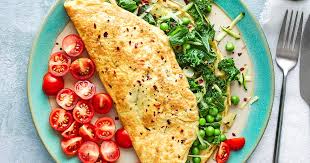
 Keto Omelette with Vegetables is a simple, nutritious, and highly customizable low-carb dish made primarily from eggs and a variety of non-starchy vegetables cooked together in a skillet with healthy fats such as butter, ghee, or olive oil. It is widely used in ketogenic, low-carb, gluten-free, and high-protein diets because it provides sustained energy, keeps carbohydrates very low, and offers a balanced combination of protein, fats, fiber, and essential micronutrients.
The beauty of this dish lies in its flexibility. You can adjust vegetables, cheese, herbs, and spices depending on what you have available while still maintaining a keto-friendly profile. When cooked correctly, the omelette is soft, fluffy, slightly creamy inside, and lightly golden on the outside, with vegetables adding texture, sweetness, and freshness.
This detailed recipe explains everything from selecting ingredients and preparing vegetables to cooking techniques, texture control, variations, troubleshooting, storage, and professional culinary methods.
Preparation Time
Preparation time: 15 to 20 minutes
Cooking time: 10 to 15 minutes
Total time: Approximately 25 to 35 minutes
Yield
Serves 1 to 2 people as a main meal
Serves 2 to 3 people as a light snack or side
Ingredients
For the Eggs Base
4 to 5 large eggs
2 tablespoons heavy cream or full-fat milk (optional for extra fluffiness)
1/2 teaspoon salt
1/2 teaspoon black pepper
1/2 teaspoon garlic powder
1/2 teaspoon onion powder
1/2 teaspoon paprika
1 tablespoon olive oil or butter
Vegetables (Keto-Friendly Options)
1/4 cup bell peppers, finely chopped (any color)
1/4 cup spinach, chopped and lightly drained
1/4 cup mushrooms, sliced or chopped
1/4 cup zucchini, finely diced and moisture removed
2 tablespoons onions, finely chopped
2 tablespoons tomatoes, finely chopped (use sparingly for keto)
1 to 2 green chilies, finely chopped (optional)
Cheese Options (Optional but Recommended)
1/4 cup cheddar cheese, shredded
1/4 cup mozzarella cheese, shredded
2 tablespoons feta cheese for tangy flavor
2 tablespoons cream cheese for extra creaminess
Herbs and Seasonings
2 tablespoons fresh parsley, chopped
1 tablespoon chives, chopped
1 teaspoon dried oregano or Italian seasoning
1/2 teaspoon chili flakes (optional)
Understanding Keto Omelette with Vegetables
Keto Omelette with Vegetables is a low-carb egg-based dish designed to deliver high protein and healthy fats while keeping carbohydrate intake minimal. Eggs form the structural base, while vegetables contribute fiber, micronutrients, and texture. Cheese and fats enhance richness and help maintain ketosis by providing sustained energy.
The key to a perfect omelette is controlling heat and moisture. Vegetables must be cooked properly to avoid releasing excess water, which can make the omelette soggy. Eggs must be whisked thoroughly to incorporate air, creating a soft and fluffy texture.
Preparing the Vegetables
Start by washing all vegetables thoroughly under running water. Chop them finely and evenly so they cook at the same rate. Mushrooms and zucchini should be handled carefully because they contain high water content.
Heat a non-stick skillet over medium heat and add olive oil or butter. Add onions first and sauté for 1 to 2 minutes until slightly soft. Then add mushrooms and cook until they release moisture and begin to brown lightly. Add bell peppers and cook for another 2 to 3 minutes until slightly tender.
Add spinach last and cook just until wilted. If using zucchini, cook it separately or ensure excess moisture is squeezed out before adding.
Season vegetables lightly with salt, pepper, and oregano. Once cooked, remove them from the pan and set aside.
Preparing the Egg Mixture
In a mixing bowl, crack eggs and whisk thoroughly until yolks and whites are fully combined. Add heavy cream for fluffiness if desired. Season with salt, pepper, garlic powder, onion powder, and paprika.
Whisk vigorously for at least 1 to 2 minutes to incorporate air. This helps create a light and fluffy omelette texture.
If using cheese inside the omelette, you can mix a small portion into the egg mixture or reserve it for layering during cooking.
Cooking the Omelette
Return the skillet to medium-low heat and add butter or olive oil. Ensure the pan is evenly coated.
Pour the egg mixture into the pan and let it spread evenly. Allow it to cook slowly without stirring for about 1 to 2 minutes until edges begin to set.
Gently lift the edges with a spatula to allow uncooked egg to flow underneath. This ensures even cooking.
When the surface is still slightly soft but mostly set, add the cooked vegetables evenly over one half of the omelette.
Add cheese on top of vegetables if using.
Carefully fold the omelette in half using a spatula.
Let it cook for another 1 to 2 minutes on low heat so cheese melts and flavors combine.
Do not overcook, as eggs can become rubbery.
Remove from heat and let rest for 1 minute before serving.
Texture and Flavor Profile
A well-made keto omelette should be soft, fluffy, and slightly creamy inside with lightly golden edges. The vegetables should remain tender but not watery, adding freshness and slight crunch. Cheese adds richness and smooth melt-in-the-mouth texture, while herbs provide freshness and aroma.
Serving Suggestions
Serve hot immediately after cooking for best texture. Pair with avocado slices, keto bread, or a fresh green salad. It can also be served with sour cream or Greek yogurt for added creaminess. For a more filling meal, serve alongside grilled chicken, bacon, or smoked salmon.
Flavor Variations
Cheesy Keto Omelette with Vegetables
Increase cheddar and mozzarella for extra richness and melt.
Mediterranean Style Omelette
Add olives, feta cheese, and oregano for a salty, tangy profile.
Spicy Omelette
Add green chilies, chili flakes, and hot sauce for heat.
Mushroom and Spinach Omelette
Focus on earthy flavors with butter-sautéed mushrooms and spinach.
Avocado Omelette
Serve sliced avocado on top or inside for creamy texture.
Herb Omelette
Increase parsley, chives, dill, and basil for fresh garden flavor.
Common Mistakes and Solutions
Problem: Omelette becomes watery
Cause: Undercooked vegetables or high-moisture ingredients
Solution: Cook vegetables properly and drain excess liquid
Problem: Omelette sticks to pan
Solution: Use non-stick pan and enough butter or oil
Problem: Rubber-like texture
Cause: Overcooking eggs
Solution: Cook on low heat and remove while slightly soft
Problem: Omelette breaks while folding
Solution: Do not overfill and ensure proper setting before folding
Problem: Bland taste
Solution: Increase seasoning, cheese, and herbs
Nutritional Benefits
Eggs provide high-quality protein, healthy fats, and essential vitamins such as B12 and D. Vegetables add fiber, antioxidants, and micronutrients while keeping carbohydrates low. Cheese adds calcium and fat, making the meal more satiating and keto-friendly.
This dish supports weight management, muscle maintenance, and sustained energy levels while keeping insulin response low.
Approximate Nutrition Per Serving
Calories: 300 to 500
Protein: 18 to 30 grams
Fat: 22 to 40 grams
Net carbohydrates: 3 to 7 grams
Fiber: 1 to 4 grams
Values vary depending on vegetables and cheese used.
Storage Instructions
Best consumed fresh for optimal texture. If needed, store in airtight container in refrigerator for up to 24 hours. Reheat gently in a skillet over low heat. Avoid microwaving for long periods as it may make eggs rubbery.
Meal Prep Tips
Pre-chop vegetables in advance and store refrigerated. Cook vegetables ahead of time but prepare eggs fresh for best results. Keep cheese and herbs ready for quick assembly.
Professional Tips
Use medium-low heat for soft, tender eggs. Do not overcrowd with vegetables to avoid moisture issues. Whisk eggs thoroughly for fluffiness. Always cook vegetables first to remove water content. Add cheese at the right time to ensure proper melting without burning.
Final Recipe Summary
Keto Omelette with Vegetables is a nutritious, low-carb, high-protein dish made with whisked eggs, sautéed keto-friendly vegetables, cheese, and healthy fats. It delivers a soft, fluffy texture with rich flavor and is highly adaptable to different tastes and dietary needs. Perfect for breakfast, lunch, or light dinner, it offers a balanced combination of nutrition, convenience, and satisfying taste while staying fully aligned with ketogenic and low-carb eating goals.