 admin1
 Introduction
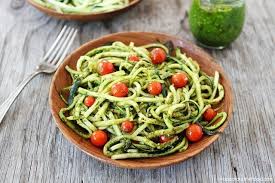
Zucchini Noodles with Pesto is a vibrant, fresh, and nutritious dish that transforms simple vegetables and herbs into a flavorful meal. Often referred to as “zoodles,” zucchini noodles serve as a lighter alternative to traditional pasta while maintaining a satisfying texture and the ability to absorb delicious sauces. Combined with homemade pesto made from fresh basil, nuts, garlic, olive oil, and cheese, this dish offers a wonderful balance of freshness, richness, and aromatic flavor.
This recipe is suitable for many eating styles, including low-carbohydrate, ketogenic, gluten-free, vegetarian, and health-conscious meal plans. It can be served as a main course, side dish, lunch, light dinner, or even as part of an elegant entertaining menu. The following comprehensive recipe covers ingredient selection, preparation methods, cooking techniques, nutritional information, storage instructions, troubleshooting, flavor variations, and professional culinary tips.
Preparation Time
Preparation time: 35 minutes
Cooking time: 10 minutes
Total time: Approximately 45 minutes
Yield
Serves 6 people as a main course
Serves 8 people as a side dish
Ingredients
For the Zucchini Noodles
8 large zucchini
1 teaspoon sea salt
1 tablespoon olive oil
For the Traditional Basil Pesto
4 cups fresh basil leaves, packed
1 cup freshly grated Parmesan cheese
1 cup pine nuts
6 cloves garlic
1 cup extra virgin olive oil
1 teaspoon sea salt
1/2 teaspoon freshly ground black pepper
1 tablespoon lemon juice
1 teaspoon lemon zest
For Additional Flavor and Texture
1/2 cup toasted pine nuts
1/4 cup toasted almonds
1/4 cup toasted walnuts
1/4 cup grated Parmesan cheese
2 tablespoons chopped fresh basil
1 tablespoon chopped parsley
For Optional Protein Additions
2 grilled chicken breasts, sliced
500 grams cooked shrimp
2 cups grilled salmon flakes
2 cups roasted turkey breast
For Optional Vegetables
1 cup cherry tomatoes, halved
1 cup roasted bell peppers
1 cup sautéed mushrooms
1 cup baby spinach
1 cup roasted asparagus
Understanding Zucchini Selection
Choose zucchini that are firm, smooth, and free from soft spots.
Medium-sized zucchini generally provide the best texture.
Very large zucchini often contain more seeds and moisture.
Fresh zucchini should feel heavy for its size and display vibrant green skin.
Understanding Pesto
Pesto is one of the most famous herb-based sauces in the culinary world. Traditional pesto relies on fresh basil, garlic, Parmesan cheese, pine nuts, olive oil, and seasonings. The combination creates a rich, aromatic sauce that coats noodles beautifully while providing layers of flavor.
Each ingredient contributes a unique characteristic.
Basil provides freshness and aroma.
Garlic contributes depth and intensity.
Parmesan adds savory richness.
Pine nuts create creaminess and texture.
Olive oil binds everything together.
Lemon brightens the entire sauce.
Preparing the Zucchini
Wash the zucchini thoroughly under cool water.
Dry completely using clean kitchen towels.
Trim both ends.
Inspect for imperfections.
The zucchini should be completely clean before spiralizing.
Creating Zucchini Noodles
Using a spiralizer, create long noodle strands.
Choose your preferred noodle thickness.
Thin strands resemble angel hair pasta.
Medium strands resemble spaghetti.
Thicker strands resemble linguine.
Place the noodles into a large mixing bowl.
If a spiralizer is unavailable, use a julienne peeler or mandoline slicer.
Managing Moisture
Zucchini naturally contains significant moisture.
Place the noodles in a colander.
Sprinkle lightly with sea salt.
Allow them to rest for approximately 20 minutes.
The salt helps draw out excess moisture.
After resting, gently pat the noodles dry with paper towels.
This step improves texture and prevents a watery final dish.
Preparing the Pine Nuts
Place pine nuts in a dry skillet.
Toast over medium heat.
Stir frequently.
Cook for approximately 3 to 5 minutes.
The nuts should become lightly golden and fragrant.
Remove immediately to prevent burning.
Allow them to cool completely.
Preparing the Basil
Wash basil leaves carefully.
Dry thoroughly.
Excess water can affect pesto consistency.
Remove thick stems if desired.
Use only vibrant green leaves.
Preparing the Garlic
Peel garlic cloves.
Trim root ends.
For a milder flavor, roast the garlic before using.
For traditional pesto, use fresh raw garlic.
Creating the Pesto
Place basil leaves into a food processor.
Add toasted pine nuts.
Add garlic.
Add Parmesan cheese.
Add salt.
Add black pepper.
Pulse several times.
The ingredients should become finely chopped.
Slowly drizzle olive oil into the processor while blending.
Continue processing until smooth.
Add lemon juice.
Add lemon zest.
Blend briefly until incorporated.
The finished pesto should be rich, aromatic, and smooth while retaining slight texture.
Evaluating Pesto Consistency
Proper pesto should be thick but spoonable.
It should coat noodles evenly without being excessively oily.
If too thick, add a small amount of olive oil.
If too thin, add additional Parmesan cheese or pine nuts.
Preparing Optional Vegetables
If using cherry tomatoes, halve them.
Roast bell peppers until tender.
Slice mushrooms evenly.
Trim asparagus.
Wash spinach thoroughly.
Prepare all additions before cooking.
Cooking the Zucchini Noodles
Heat olive oil in a large skillet over medium heat.
Add zucchini noodles.
Cook gently for 2 to 3 minutes.
Stir continuously.
Avoid overcooking.
The noodles should remain slightly firm.
Overcooked zucchini noodles can become soft and watery.
The goal is a texture similar to al dente pasta.
Combining Noodles and Pesto
Remove the skillet from direct heat.
Add prepared pesto.
Toss gently.
Ensure every noodle strand becomes coated.
The residual heat will warm the pesto without damaging its fresh flavor.
Incorporating Optional Ingredients
Add cherry tomatoes.
Add spinach.
Add roasted peppers.
Add mushrooms.
Add asparagus.
Fold gently.
The vegetables should remain visually distinct and colorful.
Adding Protein
If using grilled chicken, shrimp, salmon, or turkey, add during the final mixing stage.
Distribute evenly throughout the dish.
The proteins transform the recipe into a complete meal.
Flavor Characteristics
Excellent Zucchini Noodles with Pesto should feature:
Fresh herbal aroma
Balanced garlic flavor
Creamy texture
Bright citrus notes
Tender yet slightly firm noodles
Nutty richness
Savory Parmesan depth
Serving Suggestions
Serve immediately.
Pair with grilled chicken.
Serve alongside seafood.
Accompany with roasted vegetables.
Offer with a fresh salad.
Serve as a light lunch.
Present as an elegant dinner course.
Include as part of a buffet.
Serve warm or at room temperature.
Presentation Techniques
Twirl zucchini noodles into neat mounds.
Place in shallow bowls.
Sprinkle with toasted pine nuts.
Add grated Parmesan.
Scatter fresh basil leaves.
Finish with freshly cracked black pepper.
Drizzle lightly with olive oil.
Alternative Pesto Variations
Spinach Pesto
Replace half the basil with spinach.
Arugula Pesto
Use arugula for a peppery flavor.
Kale Pesto
Substitute part of the basil with kale.
Sun-Dried Tomato Pesto
Blend sun-dried tomatoes into the sauce.
Parsley Pesto
Replace basil with parsley for a different herbal profile.
Nut Variations
Walnut Pesto
Replace pine nuts with walnuts.
Almond Pesto
Use toasted almonds.
Cashew Pesto
Create a creamier texture using cashews.
Pistachio Pesto
Use pistachios for unique flavor and color.
Advanced Flavor Enhancements
Add roasted garlic.
Add red pepper flakes.
Add extra lemon zest.
Add Pecorino cheese.
Add fresh oregano.
Add basil flowers.
Add roasted shallots.
Add fresh thyme.
Common Mistakes and Solutions
Problem: Watery noodles.
Cause: Excess moisture.
Solution: Salt and drain noodles before cooking.
Problem: Mushy texture.
Cause: Overcooking.
Solution: Cook only briefly.
Problem: Dull pesto flavor.
Cause: Old basil or insufficient seasoning.
Solution: Use fresh basil and adjust seasonings.
Problem: Bitter pesto.
Cause: Overprocessing basil.
Solution: Blend gently and avoid excessive heat.
Problem: Oily pesto.
Cause: Too much olive oil.
Solution: Add more cheese or nuts.
Nutritional Benefits
Zucchini provides vitamins, minerals, antioxidants, and fiber.
Basil contributes beneficial plant compounds.
Olive oil provides heart-healthy fats.
Parmesan offers protein and calcium.
Pine nuts contribute healthy fats and minerals.
The dish delivers excellent nutrition while remaining relatively low in carbohydrates.
Approximate Nutrition Per Serving
Calories: 320 to 450
Protein: 10 to 20 grams
Fat: 25 to 35 grams
Carbohydrates: 8 to 15 grams
Fiber: 3 to 6 grams
Values vary according to ingredients and serving size.
Storage Instructions
Store leftovers in airtight containers.
Refrigerate for up to 3 days.
The pesto may darken slightly but remains safe to consume.
For best quality, store pesto separately from noodles when possible.
Freezing Instructions
Pesto freezes exceptionally well.
Transfer pesto to freezer-safe containers.
Cover the surface with a thin layer of olive oil.
Freeze for up to 3 months.
Zucchini noodles are best prepared fresh rather than frozen.
Meal Preparation Strategy
Prepare pesto several days ahead.
Store refrigerated.
Spiralize zucchini one day before serving.
Store separately.
Cook noodles immediately before eating for best texture.
Professional Culinary Tips
Use freshly grated Parmesan.
Toast nuts carefully.
Keep basil cold before blending.
Avoid excessive heat when mixing pesto.
Taste frequently throughout preparation.
Choose high-quality olive oil.
Cook zucchini minimally.
Serve immediately after combining.
Special Occasion Version
Use premium imported Parmesan.
Include grilled shrimp.
Add heirloom cherry tomatoes.
Use hand-picked basil.
Finish with microgreens.
Garnish with extra toasted pine nuts.
Why This Recipe Works
The success of Zucchini Noodles with Pesto comes from balancing freshness, texture, and richness. The zucchini provides a light, delicate foundation while the pesto contributes concentrated flavor and satisfying creaminess. Careful moisture control ensures the noodles remain pleasant and pasta-like rather than watery. The combination creates a meal that feels indulgent while remaining nutritious and vibrant.
Final Recipe Summary
This Zucchini Noodles with Pesto recipe combines spiralized fresh zucchini with a rich homemade basil pesto crafted from aromatic basil, toasted pine nuts, Parmesan cheese, garlic, olive oil, and lemon. The result is a colorful, flavorful, and nutrient-rich dish that can be enjoyed as a light meal, elegant dinner, healthy lunch, or versatile side. With countless customization possibilities, excellent nutritional value, and fresh garden-inspired flavors, this recipe offers a delicious alternative to traditional pasta while delivering exceptional taste, texture, and visual appeal in every serving.