 admin1
 Introduction
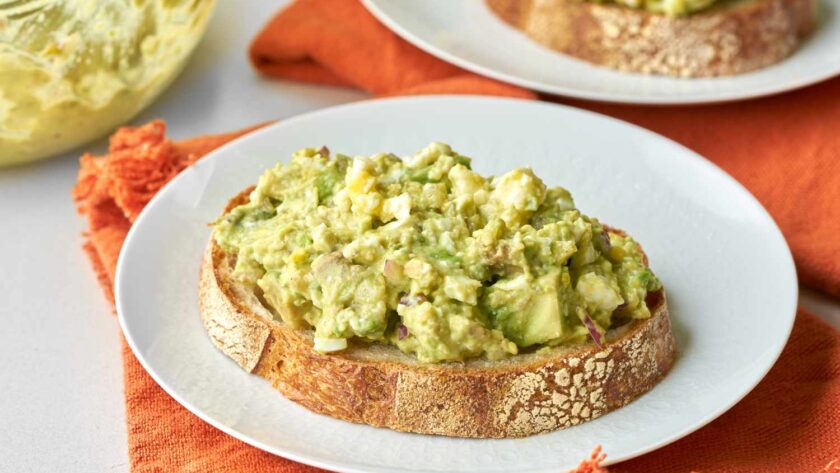
Avocado Egg Salad is a creamy, protein-rich dish that combines perfectly cooked eggs with ripe avocados, fresh vegetables, herbs, and seasonings. It can be served as a sandwich filling, salad topping, wrap filling, dip, or light meal. The richness of avocado replaces much or all of the mayonnaise traditionally used in egg salad, creating a fresher flavor and a nutrient-dense dish packed with healthy fats, vitamins, minerals, and protein. This detailed recipe provides extensive instructions, ingredient options, preparation techniques, variations, serving ideas, storage guidance, and troubleshooting tips to help you create an exceptional avocado egg salad.
Preparation Time
Preparation time: 25 minutes
Cooking time: 10 to 12 minutes
Cooling time: 10 to 15 minutes
Total time: Approximately 45 to 50 minutes
Yield
Serves 6 to 8 people as a side dish
Serves 4 people as a main meal
Ingredients
For the Egg Base
10 large eggs
Cold water for boiling
Ice water for cooling
For the Avocado Mixture
3 large ripe avocados
2 tablespoons freshly squeezed lemon juice
1 tablespoon freshly squeezed lime juice
For the Vegetables
1/2 cup finely diced red onion
1/2 cup finely diced celery
1/4 cup finely diced cucumber
1/4 cup finely diced red bell pepper
2 tablespoons finely chopped green onions
2 tablespoons finely chopped fresh parsley
1 tablespoon finely chopped fresh dill
1 tablespoon finely chopped fresh cilantro
For Seasoning
1 teaspoon sea salt, or to taste
1/2 teaspoon freshly ground black pepper
1/2 teaspoon garlic powder
1/4 teaspoon onion powder
1/4 teaspoon smoked paprika
1/4 teaspoon ground cumin
1/8 teaspoon cayenne pepper, optional
For Creaminess and Flavor Enhancement
2 tablespoons Greek yogurt
1 tablespoon mayonnaise, optional
1 teaspoon Dijon mustard
1 teaspoon honey
For Additional Texture
2 tablespoons roasted sunflower seeds
2 tablespoons chopped walnuts
2 tablespoons pumpkin seeds
Optional Garnishes
Extra parsley
Extra dill
Paprika
Black pepper
Sliced avocado
Microgreens
Chopped chives
Detailed Ingredient Notes
Eggs are the primary protein source in this recipe. Fresh eggs are ideal, but eggs that are about one week old often peel more easily after boiling.
Avocados should be ripe but not overly soft. A ripe avocado yields slightly when gently pressed but still maintains its shape.
Lemon and lime juice help preserve the avocado’s color while contributing brightness and balancing richness.
Red onion adds sharpness and crunch. If you prefer a milder flavor, soak diced onion in cold water for ten minutes before using.
Celery contributes crisp texture and freshness.
Fresh herbs provide complexity and elevate the overall flavor profile.
Greek yogurt adds creaminess while increasing protein and reducing the need for excess mayonnaise.
Step 1: Boiling the Eggs
Place the eggs in a large saucepan in a single layer.
Cover the eggs with cold water, ensuring the water level is at least one inch above the eggs.
Place the saucepan over medium-high heat and bring the water to a gentle boil.
Once boiling, cover the pan with a lid and remove it from the heat.
Allow the eggs to sit in the hot water for 10 to 12 minutes.
Prepare a large bowl filled with ice water.
Transfer the eggs immediately into the ice bath.
Allow them to cool for at least 10 minutes.
Cooling rapidly prevents overcooking and helps produce tender yolks with no gray-green ring.
Step 2: Peeling the Eggs
Gently tap each egg on a hard surface.
Roll lightly to crack the shell.
Peel under cool running water if desired.
Pat dry with paper towels.
Inspect for any shell fragments before chopping.
Step 3: Preparing the Avocados
Wash the avocados thoroughly.
Slice each avocado lengthwise around the pit.
Twist the halves apart.
Remove the pits carefully.
Scoop the flesh into a large mixing bowl.
Immediately add lemon juice and lime juice.
Mash with a fork until you reach your preferred consistency.
Some people enjoy a very smooth avocado mixture while others prefer noticeable chunks.
Step 4: Preparing the Vegetables
Finely dice the red onion.
Dice the celery into very small pieces.
Dice the cucumber.
Finely chop the red bell pepper.
Slice and chop the green onions.
Wash and dry all herbs thoroughly.
Finely chop the parsley, dill, and cilantro.
Uniform cutting helps ensure balanced flavor distribution throughout the salad.
Step 5: Chopping the Eggs
Place the peeled eggs on a cutting board.
Roughly chop them into bite-sized pieces.
For a creamier salad, chop more finely.
For a chunkier salad, leave larger pieces.
Some cooks separate a few yolks and mash them into the avocado for extra creaminess.
Step 6: Creating the Dressing Base
Into the bowl with the mashed avocado, add Greek yogurt.
Add mayonnaise if using.
Add Dijon mustard.
Add honey.
Add sea salt.
Add black pepper.
Add garlic powder.
Add onion powder.
Add smoked paprika.
Add cumin.
Add cayenne pepper if desired.
Mix thoroughly until smooth and evenly combined.
Step 7: Combining the Salad
Add chopped eggs to the avocado mixture.
Add red onion.
Add celery.
Add cucumber.
Add red bell pepper.
Add green onions.
Add parsley.
Add dill.
Add cilantro.
Fold everything together gently using a spatula.
Avoid overmixing because excessive stirring can break the eggs down too much.
Step 8: Adding Crunch
Add sunflower seeds.
Add chopped walnuts.
Add pumpkin seeds.
Fold gently into the mixture.
These ingredients contribute texture and nutritional value while balancing the creamy components.
Step 9: Taste Testing and Adjustments
Taste a small spoonful.
Adjust salt if necessary.
Add more lemon juice if additional brightness is desired.
Add extra black pepper for more depth.
Add additional herbs for freshness.
Adjusting seasoning at this stage ensures the best final flavor.
Step 10: Resting the Salad
Cover the bowl.
Refrigerate for 15 to 30 minutes.
This resting period allows the flavors to blend together and improves overall taste.
Serving Suggestions
Serve on toasted whole-grain bread.
Serve in croissants.
Serve in lettuce cups.
Use as a wrap filling.
Serve on cucumber slices.
Spread on crackers.
Stuff into pita pockets.
Serve alongside roasted vegetables.
Top mixed greens with a generous scoop.
Fill halved avocados for an elegant presentation.
Serve with grilled chicken.
Serve with fresh tomatoes.
Serve in meal-prep containers for lunches.
Nutritional Benefits
Eggs provide high-quality protein, choline, selenium, and vitamin B12.
Avocados supply heart-healthy monounsaturated fats, potassium, fiber, vitamin K, vitamin E, and folate.
Fresh vegetables contribute antioxidants, vitamins, minerals, and dietary fiber.
Greek yogurt provides protein and beneficial nutrients while reducing the need for excessive mayonnaise.
Herbs contribute phytonutrients and fresh flavor.
Variations
Spicy Version
Add diced jalapeños.
Increase cayenne pepper.
Add hot sauce.
Mediterranean Version
Add chopped olives.
Add crumbled feta cheese.
Add cucumber and oregano.
Southwestern Version
Add corn kernels.
Add black beans.
Add cilantro.
Add chili powder.
Curried Version
Add curry powder.
Add golden raisins.
Add chopped almonds.
Bacon Version
Add crispy cooked bacon pieces.
Smoky Version
Increase smoked paprika.
Add a small amount of chipotle powder.
Extra Protein Version
Add diced grilled chicken breast.
Add canned tuna.
Add cooked shrimp.
Keto-Friendly Version
Skip honey.
Increase avocado.
Add extra eggs.
Vegan-Inspired Adaptation
Replace eggs with firm tofu.
Use plant-based yogurt.
Use black salt for an egg-like flavor.
Storage Instructions
Store in an airtight container.
Keep refrigerated at all times.
Consume within 1 to 2 days for best quality.
Because avocados naturally oxidize, slight darkening may occur over time.
Press plastic wrap directly onto the surface before sealing the container to minimize air exposure.
Do not freeze because the texture may become watery and unpleasant after thawing.
Common Mistakes and Solutions
Problem: Eggs are difficult to peel.
Solution: Use eggs that are not extremely fresh and cool them immediately in ice water.
Problem: Salad becomes watery.
Solution: Use firm vegetables and avoid overripe avocados.
Problem: Salad turns brown quickly.
Solution: Increase lemon or lime juice and reduce exposure to air.
Problem: Flavor tastes bland.
Solution: Add more salt, lemon juice, herbs, or black pepper.
Problem: Salad is too thick.
Solution: Stir in a small amount of Greek yogurt or lemon juice.
Problem: Salad is too thin.
Solution: Add another avocado or additional chopped eggs.
Chef’s Tips
Choose avocados that are ripe on the day of preparation.
Mash avocados immediately after cutting and combine with citrus juice to preserve color.
Season gradually rather than adding all extra salt at once.
Fresh herbs dramatically improve flavor compared to dried herbs.
Allowing the salad to rest before serving enhances flavor integration.
A combination of lemon and lime juice produces a more balanced citrus profile than using either one alone.
Adding crunchy ingredients shortly before serving helps maintain texture.
For a gourmet presentation, serve the salad on toasted artisan bread topped with microgreens, sliced radishes, and freshly cracked black pepper.
Final Recipe Summary
This rich and flavorful Avocado Egg Salad combines creamy ripe avocados, tender hard-boiled eggs, crisp vegetables, fresh herbs, tangy citrus, and carefully balanced seasonings into a versatile dish suitable for breakfast, lunch, dinner, picnics, meal preparation, and entertaining. The combination of protein-rich eggs and nutrient-dense avocados creates a satisfying meal with excellent texture, freshness, and nutritional value. With countless customization options and serving possibilities, this recipe can easily become a staple in any home kitchen.