 admin1
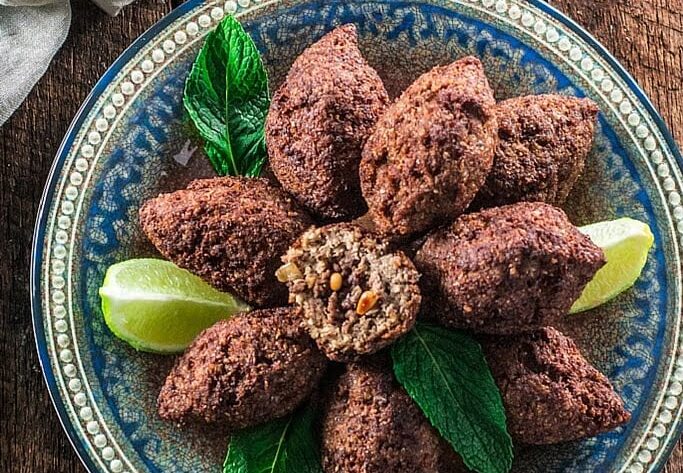
 Kibbeh is one of the most iconic dishes in Levantine cuisine, especially popular in Lebanon, Syria, Palestine, and Jordan. It is considered a national dish in many households and comes in many variations, including fried, baked, and even raw versions. At its core, Kibbeh is a mixture of finely ground meat and bulgur wheat seasoned with aromatic spices, often shaped into balls, torpedoes, or layered casseroles. The most well-known version is fried stuffed kibbeh, which has a crisp outer shell and a rich spiced meat and onion filling inside.
Kibbeh
This detailed recipe is for classic fried kibbeh and produces a large batch serving approximately 8 to 10 people.
Ingredients for the outer shell include 1 kilogram fine bulgur wheat, 1 kilogram lean minced beef or lamb, 2 large onions finely chopped, 1 teaspoon black pepper, 1 tablespoon salt or to taste, 1 tablespoon ground cumin, 1 tablespoon ground coriander, 1 teaspoon ground cinnamon, 1 teaspoon allspice, and cold water as needed for kneading.
Ingredients for the filling include 500 grams minced beef or lamb, 2 large onions finely chopped, 1/2 cup pine nuts, 2 tablespoons olive oil or ghee, 1 teaspoon salt, 1 teaspoon black pepper, 1 teaspoon ground allspice, and 1/2 teaspoon cinnamon.
For frying you will need a large quantity of vegetable oil.
Begin by preparing the bulgur wheat. Wash it thoroughly under cold water and soak it for about 30 to 40 minutes until it softens. Once softened, drain it very well and squeeze out excess moisture. The bulgur should be damp but not wet.
In a large mixing bowl combine the soaked bulgur, raw minced meat, chopped onions, salt, black pepper, cumin, coriander, cinnamon, and allspice. Using your hands, knead the mixture thoroughly for at least 10 to 15 minutes. This step is essential because it helps the meat and bulgur bind together into a smooth, dough-like consistency. If the mixture feels too dry, add a few tablespoons of cold water. If it feels too wet, add a small amount of extra bulgur.
Once the mixture becomes smooth and elastic, cover it and set it aside while preparing the filling.
To prepare the filling, heat olive oil or ghee in a pan over medium heat. Add the chopped onions and cook until soft and golden. Add the minced meat and cook until browned and fully cooked. Stir in salt, black pepper, allspice, and cinnamon. Add pine nuts and lightly toast them in the mixture. Once done, remove from heat and allow the filling to cool completely.
To shape the kibbeh, take a small portion of the outer mixture and roll it into a ball in your hand. Using your finger, carefully hollow out the center to form a thin shell. Fill it with a spoonful of the meat filling, then gently close and shape it into an oval or football-like form with pointed ends. Repeat this process until all mixture is used.
Heat oil in a deep frying pan to medium-high temperature. Carefully place kibbeh pieces into the hot oil in batches, avoiding overcrowding. Fry until they turn deep golden brown and crisp on all sides. Remove and place on paper towels to drain excess oil.
For a healthier alternative, kibbeh can also be baked. Arrange shaped kibbeh on a greased baking tray, brush lightly with oil, and bake at 200°C for about 25 to 30 minutes or until golden and crisp, turning once for even browning.
Kibbeh is traditionally served hot with yogurt, tahini sauce, fresh salad, pickles, and flatbread. It is also commonly included in mezze platters alongside hummus, tabbouleh, baba ghanoush, and stuffed grape leaves.
For best results, use fine bulgur rather than coarse bulgur, as it binds better with the meat. Kneading thoroughly is the key step that ensures the shell holds together during frying. Keeping the oil at the right temperature is also important; if it is too low, kibbeh will absorb oil and become greasy, and if too high, the outside will brown too quickly while the inside remains undercooked.
This recipe produces crispy, golden kibbeh with a spiced meat filling and a tender, flavorful bulgur shell, capturing the authentic taste and texture of traditional Levantine home cooking.