 admin1
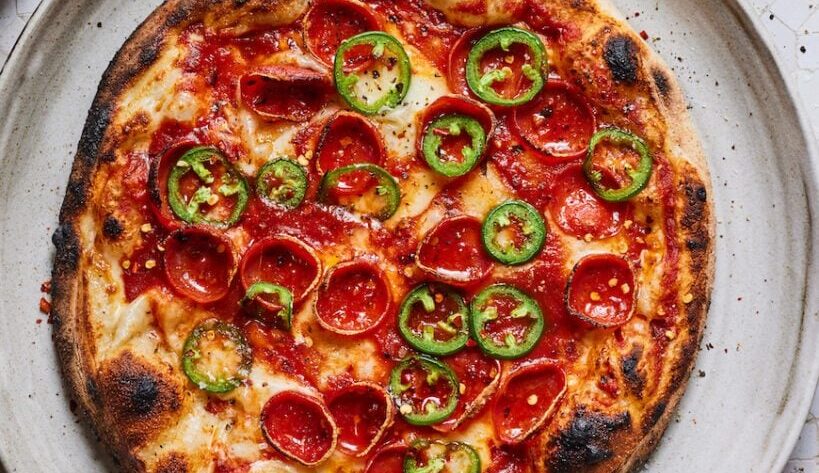
 Pepperoni pizza is a popular American-style adaptation of traditional Italian pizza, known for its bold, savory flavor, slightly spicy cured meat topping, and rich, melty cheese. It builds on the same foundational dough as classic pizza but adds a more intense, smoky profile through the use of seasoned sausage slices that crisp up during baking. The key to a great pepperoni pizza is balancing fat, spice, acidity, and texture so that nothing becomes overwhelming.
Start with the dough, which is the structural base of the pizza. Use about 500 grams of strong bread flour to ensure enough gluten development for a chewy yet airy crust. Add approximately 325 milliliters of lukewarm water to hydrate the flour, 10 grams of salt for seasoning, and 5 grams of sugar to support yeast fermentation and browning. Include 7 grams of instant yeast if you want a same-day dough, or reduce it to a very small amount if you prefer a slow-fermented dough that rests for 24 to 48 hours for deeper flavor development. Add one to two tablespoons of olive oil to improve elasticity and give the crust a softer interior crumb while still allowing a crisp exterior after baking. Mix everything until a rough dough forms, then knead for 10 to 15 minutes until it becomes smooth, elastic, and slightly springy. Proper kneading is essential because it develops the gluten network that traps gas, creating the light, airy structure expected in a well-made Pizza base.
Once kneaded, place the dough in a lightly oiled bowl, cover it, and allow it to rise. At room temperature, it should double in size within 1 to 2 hours, while a refrigerated fermentation can extend up to 48 hours and produce a more complex flavor with subtle sweetness and depth. After fermentation, gently deflate the dough and divide it into equal portions depending on how large you want your pizzas. Shape each portion into a tight, smooth ball by tucking edges underneath so the surface remains taut. Let the dough rest again for 30 to 60 minutes so it relaxes, making it easier to stretch without tearing.
Now prepare the sauce. A pepperoni pizza typically uses a simple tomato base similar to other classic pizzas, but sometimes with slightly more seasoning to complement the richness of the meat. Use ripe tomatoes, ideally San Marzano-style or other naturally sweet varieties. Crush them by hand or lightly blend them so the texture remains slightly rustic. Add a pinch of salt, a small drizzle of olive oil, and optionally a tiny amount of garlic powder or dried oregano if you want a slightly more seasoned profile. The sauce should remain fresh and not overly cooked so that it retains brightness when baked.
For cheese, the essential ingredient is Mozzarella, preferably low-moisture mozzarella for better browning and less water release during baking. Tear or shred it evenly and distribute it across the pizza base so it melts into a uniform layer while still allowing some bubbling and browning. Mozzarella provides the creamy, stretchy texture that balances the sharpness and spice of the pepperoni.
The defining ingredient is pepperoni itself, a cured, seasoned meat typically made from pork and beef, heavily spiced with paprika, chili, and garlic. It is usually thinly sliced so it can curl slightly during baking, forming small cups that hold rendered oil and crisp at the edges. As it cooks, it releases flavorful oils that infuse the cheese and sauce beneath it, creating a rich, smoky, slightly spicy taste profile. The rendered fat also helps brown the crust edges and enhances overall aroma. Pepperoni is what gives Pepperoni pizza its signature bold flavor and slightly oily, indulgent finish.
Preheat your oven to its maximum temperature, ideally between 250°C and 300°C, and if possible, place a pizza stone or steel inside during preheating so it becomes extremely hot. This ensures a fast bake and helps create a crisp base with a lightly blistered crust. High heat is essential for properly cooking pepperoni so it becomes crisp at the edges while releasing flavorful oils without drying out completely.
To assemble the pizza, stretch the dough gently by hand on a floured surface, working from the center outward while preserving air in the edges to form a natural crust. Avoid using a rolling pin, as it flattens the dough and removes the air pockets that create a light texture. Spread a thin, even layer of tomato sauce over the base, leaving a border for the crust. Add a generous but balanced layer of mozzarella, ensuring coverage without overwhelming the dough. Place pepperoni slices evenly across the surface, slightly overlapping if desired, so that each bite contains both cheese and meat. You can place some slices on top of cheese and some partially embedded for varied texture and flavor intensity.
Transfer the assembled pizza carefully into the hot oven and bake for about 7 to 12 minutes depending on oven strength. During baking, the cheese should melt and bubble, the pepperoni should curl and crisp at the edges while releasing flavorful oils, and the crust should rise and develop golden-brown and slightly charred spots. The base should be firm enough to hold toppings but still soft and slightly chewy inside.
Once baked, remove the pizza and let it rest for a minute so the cheese sets slightly and slicing becomes easier. You may optionally add a light finishing touch such as a drizzle of olive oil or a pinch of chili flakes for extra heat, depending on preference.
The final pepperoni pizza should deliver a layered experience: a chewy, airy crust, a tangy tomato base, creamy melted mozzarella, and spicy, crispy pepperoni that adds both texture and boldness, creating a richer and more intense version of the classic Pizza.