 admin1
 Margherita pizza is one of the most iconic and traditional Italian pizzas, known for its simplicity and perfect balance of flavors. It represents the classic combination of dough, tomato, mozzarella, basil, and olive oil, where every ingredient matters because there is nothing to hide behind. The foundation of a great Margherita pizza is the dough, which should be light, airy, and slightly chewy with a crisp exterior.
Start with the dough by using about 500 grams of strong bread flour, which provides enough protein to create good gluten structure. Mix it with approximately 325 milliliters of lukewarm water to activate fermentation, then add around 10 grams of salt for flavor and 5 grams of sugar to support yeast activity and slight browning. Add about 7 grams of instant yeast if you want a same-day dough, or reduce the yeast significantly if you prefer a slow, traditional fermentation over 24 to 48 hours. Include a tablespoon or two of olive oil for elasticity and a softer crumb. Combine the ingredients gradually until a rough dough forms, then knead it for 10 to 15 minutes until it becomes smooth, elastic, and slightly springy when pressed. This kneading step is important because it develops gluten networks that trap air, creating the airy, slightly chewy texture that defines a proper Pizza base.
Once kneaded, place the dough in a lightly oiled bowl and cover it. Let it rise until it doubles in size. If using room temperature fermentation, this usually takes 1 to 2 hours. For better flavor development, refrigerate it for up to 48 hours, which allows enzymes to break down starches and create a deeper, slightly sweet and complex dough flavor. After fermentation, gently deflate the dough and divide it into portions depending on the size of pizzas you want. Shape each portion into a tight ball by tucking the edges underneath so the surface stays smooth. Let the dough balls rest again for at least 30 to 60 minutes so the gluten relaxes, making it easier to stretch without tearing.
Now prepare the sauce, which is extremely simple in a true Margherita. Use ripe tomatoes, ideally San Marzano-style or any sweet, low-acid variety. Crush them by hand rather than fully blending them, keeping a slightly rustic texture. Add a pinch of salt and a small drizzle of olive oil. Traditional Margherita sauce is not cooked beforehand; it cooks directly in the oven, preserving its fresh, bright flavor and natural sweetness. Avoid adding too many spices or ingredients because the simplicity is what makes the pizza elegant and balanced.
For cheese, the essential ingredient is Mozzarella. Fresh mozzarella is preferred because it melts into soft, creamy pools and gives the pizza its signature milky richness. It is best to tear it into small pieces and allow it to drain slightly before using, so excess moisture does not make the pizza soggy. The balance of tomato and mozzarella is what defines the identity of Margherita pizza, while the dough supports both without overpowering them.
Fresh basil is another defining element, and it should be added thoughtfully. Use whole leaves of Basil, preferably added after baking or halfway through cooking so they retain their fragrance. Basil contributes a fresh, slightly peppery aroma that complements the sweetness of the tomatoes and the creaminess of the cheese. A light drizzle of extra virgin olive oil at the end enhances aroma and gives the pizza a glossy finish.
Preheat your oven to its highest possible temperature, ideally between 250°C and 300°C, and if you have a pizza stone or steel, place it inside during preheating so it becomes extremely hot. This intense heat is essential for achieving a properly blistered crust and quick cooking, similar to a traditional wood-fired oven.
To assemble the pizza, stretch the dough ball gently using your hands, working from the center outward while preserving air bubbles in the edges to create a puffy crust. Avoid using a rolling pin because it flattens the dough too much. Spread a thin layer of tomato sauce evenly across the base, leaving a border for the crust. Add pieces of mozzarella evenly, ensuring balanced coverage without overloading. If you want a slightly richer flavor, you can add a very light pinch of salt or a few drops of olive oil over the top before baking.
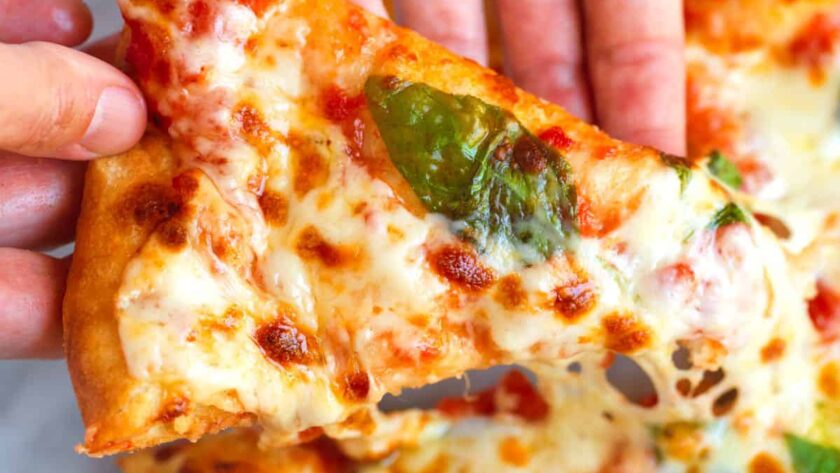
Transfer the pizza carefully into the hot oven and bake for about 7 to 12 minutes depending on heat intensity. During baking, the crust should rise and develop golden and slightly charred spots, the cheese should melt and bubble, and the tomato sauce should blend into the surface while still remaining distinct in flavor. The base should be crisp on the outside but soft and airy inside.
Once baked, remove the pizza and immediately add fresh basil leaves if you did not add them earlier. Finish with a final drizzle of olive oil. Let it rest for a minute before slicing so the cheese settles slightly and the flavors stabilize.
The final Margherita pizza should taste clean, balanced, and aromatic, with the sweetness of tomatoes, the creaminess of mozzarella, the fragrance of basil, and the richness of olive oil all sitting on a well-fermented, lightly charred crust.