admin1
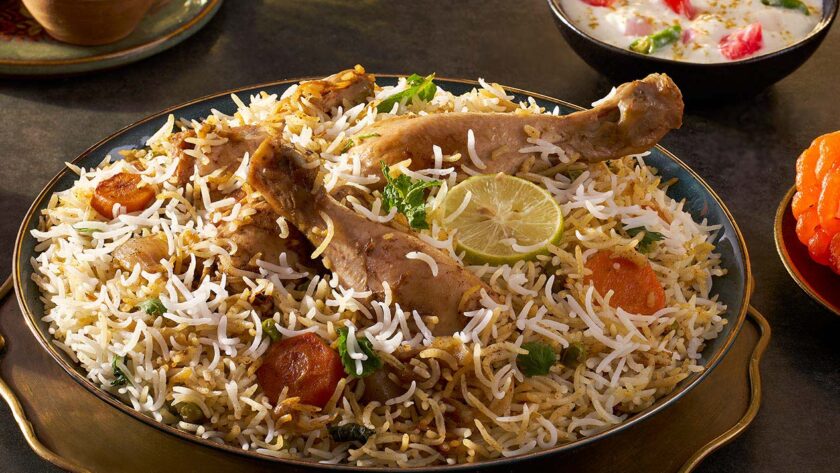
 Lucknowi Biryani is very different from the more robust and spicy Hyderabadi style because it belongs to the refined Awadhi culinary tradition where aroma, subtle spices, and slow dum cooking matter more than heat or heaviness. The preparation starts with choosing good quality aged basmati rice about five hundred grams and a protein choice such as chicken or mutton about one kilogram, though mutton is more traditional for authentic Lucknowi biryani. The meat is first cleaned and then gently marinated in a much milder spice mixture compared to other biryanis because Awadhi cooking focuses on balance rather than intensity. For the marinade you use thick yogurt about one cup, ginger paste and garlic paste about two tablespoons combined, white pepper instead of heavy red chili powder for a softer heat profile, a small amount of turmeric, salt to taste, and aromatic spices such as green cardamom powder, a pinch of nutmeg, a pinch of mace, and a little bit of cinnamon powder. Saffron soaked in warm milk is often added early in the marinade along with rose water or kewra water which is a defining fragrance of Lucknowi cuisine, and the meat is left to rest for at least four hours or preferably overnight so the flavors gently penetrate without overpowering the natural taste of the meat. While the meat marinates, the rice is prepared separately by washing it thoroughly until the water runs clear and soaking it for around thirty minutes to ensure long separate grains after cooking. In a large pot water is brought to a boil and whole spices such as bay leaf, green cardamom, black cardamom, cloves, cinnamon, star anise, and a small piece of mace are added along with salt, and sometimes a few drops of rose water are also included to perfume the rice lightly. The soaked rice is then added and boiled only until about seventy percent cooked so that the grains are still firm and not fully soft, after which it is drained immediately and set aside. The next stage is what defines Awadhi biryani technique which is known as the pukki method or slow cooking in layers where meat is usually cooked partially before layering unlike raw meat dum styles. In a heavy bottom pot ghee is warmed gently and sometimes thinly sliced onions are cooked slowly until golden and sweet but not overly crisp, and this forms a soft aromatic base. The marinated meat is then added to the pot and cooked on low to medium heat until it becomes partially tender and forms a light gravy with its own juices and yogurt mixture, and in this stage the aroma begins to develop but the spices remain delicate rather than sharp. Once the meat reaches the right tenderness it is spread evenly at the bottom of the pot and the partially cooked rice is carefully layered on top without mixing so that the separation of layers remains intact which is essential in Awadhi dum style cooking. Between layers saffron milk is drizzled generously along with melted ghee which enriches the aroma and gives the rice a soft golden sheen, and rose water or kewra water is added sparingly to elevate fragrance without making it overpowering. Some traditional Awadhi cooks also add fried onions called birista but in a lighter quantity compared to Hyderabadi versions because the goal is elegance rather than intensity. Once all layers are complete the pot is sealed tightly using dough around the lid or a heavy lid that traps steam completely, and it is placed on extremely low heat so the biryani cooks in its own steam for around forty-five minutes to one hour depending on the meat used, and this slow dum process allows the rice to absorb the delicate flavors of the meat juices saffron and spices gradually. After cooking the pot is left to rest for a few minutes before opening so that the steam settles and the structure stabilizes, and then the biryani is gently fluffed from the sides so the grains remain long and separate while the meat settles into the rice naturally. The final dish is fragrant, mildly spiced, and extremely aromatic with a soft luxurious texture where each grain of rice carries subtle notes of saffron, cardamom, rose water, and tender meat essence, and it is traditionally served with raita or salan but the Awadhi style itself is meant to be delicate enough that it does not need heavy accompaniments.
Lucknowi (Awadhi) Biryani