 admin1
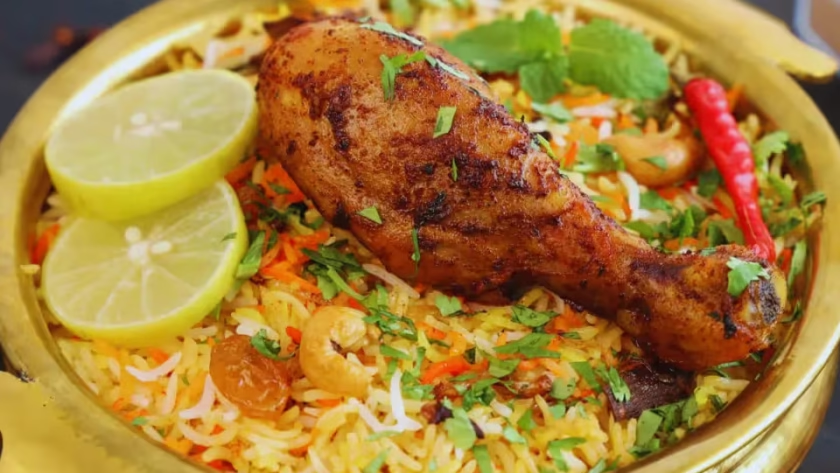
 Karachi Biryani is a bold, spicy, and richly flavored rice dish that reflects the street-food culture of Karachi where heat, tanginess, and strong masala are more dominant than subtle aroma. To prepare a very detailed home-style version, start with about one kilogram of chicken or mutton depending on preference, though chicken is more commonly used in everyday Karachi-style cooking due to faster cooking time. Clean the meat well and begin marination in a large bowl using thick yogurt about one and a half cups, ginger-garlic paste around three tablespoons, red chili powder two to three tablespoons depending on spice tolerance, turmeric powder half teaspoon, coriander powder two teaspoons, cumin powder one teaspoon, garam masala two teaspoons, salt to taste, and a generous addition of green chilies either crushed or sliced for the signature Karachi heat. Add fresh lemon juice from two lemons which gives the dish its slightly tangy street-style flavor profile, and include chopped coriander leaves for freshness. Unlike Awadhi or Lucknowi styles, Karachi biryani often includes tomatoes in the marinade or cooking stage, so add two medium chopped tomatoes or a few tablespoons of tomato paste to create a richer, slightly tangy gravy base. Mix everything thoroughly so the meat is fully coated and allow it to marinate for at least two to three hours, though longer marination improves depth of flavor.
For the rice, take about five hundred grams of aged basmati rice, wash it thoroughly until water runs clear, and soak it for around thirty minutes. In a large pot bring plenty of water to a rolling boil and add whole spices such as bay leaves, cloves, cinnamon sticks, green cardamom, black cardamom, and a small piece of star anise. Add enough salt so the water tastes well seasoned because this is the only chance to flavor the rice directly. Add the soaked rice and cook it until about seventy percent done so that it still has a firm bite in the center, then immediately drain it and set it aside.
Now prepare the masala base for the biryani which is what gives Karachi biryani its signature strong, gravy-like texture. In a heavy-bottom pot heat oil or a mix of oil and ghee, then add sliced onions and fry them until golden brown, as these onions add both sweetness and body to the masala. Add the marinated meat into the pot and cook on medium heat until it begins to release water and combine with the spices forming a thick gravy. At this stage add a few slit green chilies for extra heat and optional diced potatoes which are very common in Karachi-style biryani and absorb the spices beautifully while also adding texture. Cook the mixture until the meat is about seventy to eighty percent tender and the gravy has thickened but is still moist enough to cook the rice further during dum.
Once the masala is ready, reduce the heat and begin layering. First spread the meat and gravy evenly at the bottom of the pot. Then add a layer of partially cooked rice over it carefully without mixing. Sprinkle fried onions if available, chopped coriander, chopped mint leaves, and a light drizzle of lemon juice. Dissolve a few strands of saffron in warm milk and drizzle it over the rice along with a small amount of melted ghee which enhances aroma and richness. Repeat layering if necessary depending on pot size, but ensure rice remains the top layer for proper steaming effect.
Seal the pot tightly so no steam escapes; traditionally dough is used around the lid edges but a tight lid works if well sealed. Place the pot on very low heat for about thirty to forty-five minutes so the dum process can slowly finish cooking the rice and fully blend the flavors. During this time the rice absorbs the spicy tomato-based gravy from below while the meat becomes tender and infused with aromatic spices. After cooking, let it rest for ten minutes before opening so the steam settles and grains firm up slightly.
When served, gently fluff from the sides so the layers mix naturally without breaking the rice grains. The final Karachi biryani is typically more vibrant, reddish-orange in color, and noticeably spicier and tangier than other regional biryanis, often served with raita, salad, and sometimes spicy salan, making it a complete and satisfying meal that reflects the energetic food culture of Karachi.