 admin1
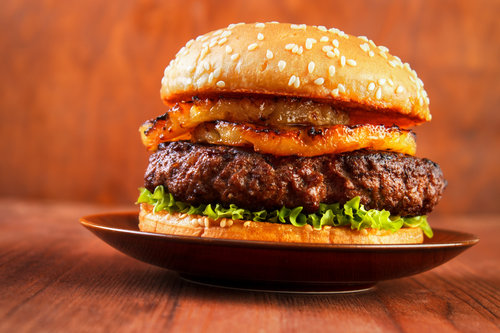
 Beef Burger is one of the most popular and foundational burger styles, and making it properly at home is mostly about respecting three things: the quality of the beef, the way you handle and cook it, and how you balance richness with fresh toppings and sauces.
A good beef burger starts with choosing the right meat. The ideal ground beef should have enough fat to stay juicy during cooking. Around 20 percent fat content is widely considered perfect because it creates flavor and moisture. If the beef is too lean, the burger becomes dry and crumbly. If it is too fatty, it can shrink too much and feel greasy. Freshly ground beef is always better than pre-packed mince because it has a cleaner texture and better control over fat distribution.
Once the beef is ready, it should be handled as little as possible. The more you mix or press it, the tougher the final burger becomes. The meat is divided into equal portions depending on how large you want each patty. Each portion is gently shaped into a round disc slightly wider than the bun. This is important because burgers shrink while cooking. A useful technique is to press a small indentation in the center of each patty with your thumb. This helps the burger cook evenly and prevents it from puffing up in the middle.
Seasoning is kept simple to highlight the natural flavor of beef. Most classic recipes use only salt and black pepper. The seasoning is often added just before cooking rather than mixed into the meat, because salt can start breaking down proteins if added too early. Some variations include garlic powder or onion powder, but a traditional beef burger relies on simplicity.
Cooking is the most important stage. A heavy pan, ideally cast iron, is heated until very hot. The patties are placed on the surface and should immediately sizzle. The first side is cooked without moving the patty so that a deep brown crust forms. This crust is where much of the flavor develops through caramelization and browning reactions. After a few minutes, the patty is flipped and the second side is cooked. Cooking time depends on thickness and preference, but for a juicy result, medium or medium-well is commonly preferred.
If you want a cheeseburger-style version, cheese is added during the final minute of cooking. A slice of cheese is placed on top of the hot patty so it melts naturally. Cheddar is sharp and flavorful, American cheese melts smoothly and gives a creamy texture, and Swiss cheese adds a mild nutty taste. The cheese should slightly drip over the sides of the patty for a classic presentation.
While the beef is cooking, attention goes to the bun and toppings. The bun should be soft but sturdy enough to hold juices. Brioche buns are popular because they are slightly sweet and rich. The inside surfaces of the bun are lightly toasted on a pan or grill until golden. This step is important because it prevents sogginess once sauces are added.
Toppings and sauces are where the burger becomes customizable. A classic combination includes lettuce, tomato, onion, pickles, ketchup, mustard, and mayonnaise. Lettuce provides crunch and freshness, tomato adds juiciness and acidity, onions add sharpness, and pickles provide a tangy contrast that balances the richness of the beef. Sauces can be layered according to taste, with mayonnaise often used as a base for creaminess and ketchup or mustard adding sweetness and tang.
Assembly follows a careful order to maintain structure and flavor balance. The bottom bun is placed first, followed by a layer of sauce. Lettuce is usually added next to create a barrier between the bun and the juicy patty. The hot beef patty is placed on top of the lettuce so that its juices slightly soak into the layers beneath. Cheese, if used, sits directly on the patty. Then come tomato slices, onions, and pickles. Additional sauce can be added to the top bun before closing the burger.
After assembly, the burger should be served immediately while it is still hot. The ideal beef burger has a contrast of textures and flavors: a seared savory patty, melted cheese, crisp vegetables, soft toasted bun, and creamy or tangy sauces. Eating it fresh ensures that the bun stays intact and the patty retains its juiciness.
If you want, I can also give you a smoky BBQ beef burger, restaurant-style smash burger, or a spicy desi-style beef burger next.