 admin1
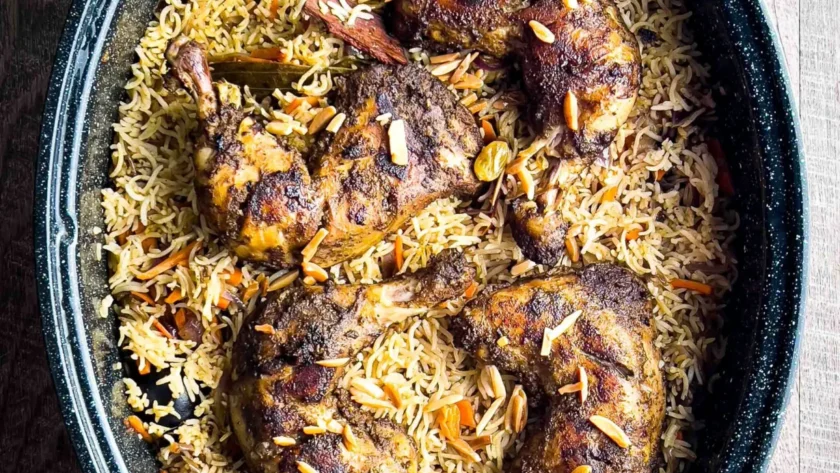
 Chicken Mandi is a traditional Arabian rice and chicken dish known for its smoky aroma, delicate spice blend, and slow-cooked tenderness, and making a very detailed homemade version starts with understanding that mandi is built on two main pillars: perfectly spiced meat and fragrant long-grain rice cooked in meat stock so both elements carry the same aroma profile. Begin with about one whole chicken cut into medium pieces or a large leg-piece chicken for more authentic presentation, clean it thoroughly and prepare a marinade that is lighter in heat but rich in aroma because mandi is not supposed to be overly spicy like South Asian biryanis. In a large bowl add about one cup of yogurt, two tablespoons of ginger-garlic paste, one tablespoon of ground black pepper which is essential for mandi’s signature warmth, one teaspoon of turmeric, two teaspoons of coriander powder, one teaspoon of cumin powder, a pinch of cinnamon powder, a pinch of cardamom powder, salt to taste, juice of one lemon, and a few tablespoons of olive oil or regular cooking oil to help carry the spices into the chicken. Mix everything well so the chicken is evenly coated and allow it to marinate for at least two to four hours, although overnight marination gives a deeper, more infused flavor.
While the chicken is marinating, prepare the rice which is typically long-grain basmati and should be about 500 grams, washed several times until the water runs clear and soaked for around 30 minutes so the grains remain separate after cooking. The key to mandi rice is the stock, so instead of plain water you will later cook the rice in a flavorful broth made from the chicken itself. To prepare the stock, place the marinated chicken in a large pot and add enough water to fully cover it along with a sliced onion, a cinnamon stick, a few cloves, a couple of green cardamoms, a bay leaf, and a small piece of black lime if available because it adds a subtle tangy depth typical of Gulf cuisine. Bring this to a gentle boil and then simmer until the chicken is about 70 percent cooked, ensuring it remains tender but not fully falling apart. As it simmers, the broth absorbs all the spices and becomes the aromatic base for the rice. Once the chicken is partially cooked, remove it carefully and set it aside while keeping the broth strained and ready for rice cooking.
Now prepare the rice using this flavored stock by measuring the liquid so it is just enough to cook the rice properly, usually about one and a half to two times the volume of rice depending on absorption. In a separate pot heat a small amount of oil or ghee and optionally sauté a sliced onion until lightly golden for extra depth, then add the soaked and drained rice and gently stir so it gets coated in the fat and absorbs flavor evenly. Pour in the hot chicken stock and adjust salt carefully since the broth already contains seasoning, then add a pinch of ground black pepper and a few whole spices if desired for stronger aroma. Cook the rice on low heat until it is about 90 percent done, meaning soft but still slightly firm at the center, because it will finish cooking with the chicken during the final stage.
Now move to the signature mandi cooking method which traditionally involves roasting or baking the chicken while the rice cooks below or alongside it, allowing the juices and smoke to drip into the rice. In a large pot or oven-safe setup, place the partially cooked rice at the bottom and arrange the chicken pieces on top. For authentic smoky flavor, many home cooks use a small piece of hot charcoal placed in a foil cup in the center of the pot, drizzle a little oil or ghee on it, and quickly cover the pot so the smoke infuses the chicken and rice, creating the signature mandi aroma. The pot is then sealed tightly and cooked on very low heat or placed in an oven at moderate temperature for around 25 to 40 minutes so the chicken finishes cooking completely and the rice absorbs the final layer of flavor from the meat juices.
While this is happening, prepare optional toppings and accompaniments that are commonly served with mandi. A traditional spicy tomato sauce or chili garlic sauce is often made by blending tomatoes, garlic, green chilies, vinegar, and salt, sometimes cooked down slightly to intensify flavor. Fried onions can also be prepared for extra sweetness and texture. Once the cooking is complete, allow the pot to rest for a few minutes so the steam stabilizes, then carefully open it to preserve the aroma. The rice should be fluffy, fragrant, and lightly golden, and the chicken should be tender, juicy, and infused with smoky spice. Serve by placing rice on a large platter with chicken on top and optionally drizzle with melted ghee for richness, and pair with the spicy sauce so each bite can be adjusted between mild aromatic rice and bold chili heat. The final dish delivers a balance of smoky aroma, gentle spice, and soft, flavorful rice that makes chicken mandi a distinctive and comforting Arabian classic.