admin1
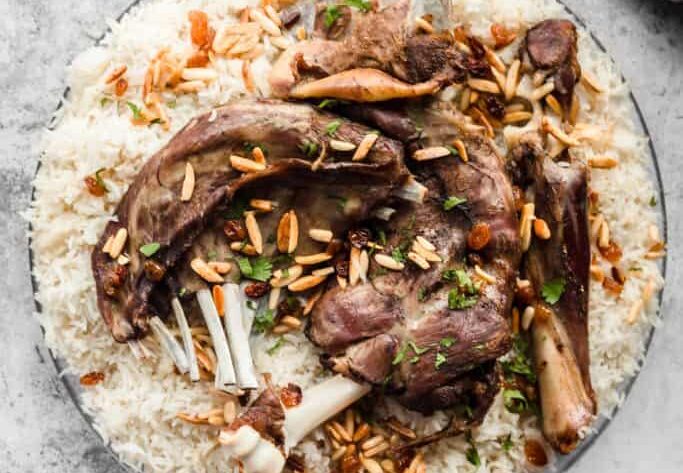
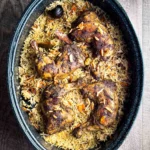
 Lamb Mandi is a deeply aromatic and traditional Arabian dish that relies on slow cooking, gentle spices, and the natural richness of lamb to create a soft, smoky, and fragrant rice-meat combination, and preparing a very detailed homemade version begins with selecting about one and a half kilograms of lamb, preferably bone-in pieces such as shoulder or leg because the bones release flavor into the stock and keep the meat juicy during long cooking. The lamb should be washed thoroughly and then marinated in a balanced spice mixture that enhances aroma rather than overpowering it, so in a large bowl add about one cup of thick yogurt, three tablespoons of ginger-garlic paste, two teaspoons of freshly ground black pepper which is essential for mandi’s signature warmth, one teaspoon of turmeric, two teaspoons of coriander powder, one teaspoon of cumin powder, a pinch of cinnamon powder, a pinch of cardamom powder, salt to taste, juice of one large lemon for light acidity, and three to four tablespoons of oil or ghee to help carry the flavors deep into the meat, then mix everything thoroughly so each piece of lamb is fully coated and allow it to marinate for at least four hours or ideally overnight so the spices penetrate deeply into the dense meat fibers. While the lamb is marinating, prepare about 500 grams of aged basmati rice by washing it several times until the water runs clear and soaking it for around 30 minutes so the grains remain long and separate after cooking, because mandi rice should be fluffy and aromatic rather than sticky. The next crucial step is preparing a rich lamb stock which forms the backbone of the dish, so place the marinated lamb in a large heavy pot and add enough water to fully cover it along with one sliced onion, one cinnamon stick, four to five cloves, three green cardamoms, one black cardamom, one bay leaf, and optionally a small piece of dried black lime if available to add a subtle tangy depth typical of Gulf cooking, then bring it to a gentle boil and reduce to a simmer so the lamb cooks slowly for about 45 to 60 minutes until it becomes about 70 percent tender and the broth becomes deeply flavored and slightly aromatic, after which carefully remove the lamb pieces and strain the stock so it is clean and ready for rice cooking while still holding all the infused spice essence. Now in a separate heavy-bottom pot or rice cooker, heat a small amount of ghee or oil and optionally sauté a sliced onion until lightly golden to add sweetness, then add the soaked and drained rice and gently stir so every grain is coated in fat which helps prevent sticking and improves aroma absorption, after which pour in the hot lamb stock carefully measuring so the rice cooks properly, usually about one and a half to two times the volume of rice depending on the type of basmati used, and adjust salt carefully since the stock already contains seasoning, then add a pinch of black pepper and a few whole spices if desired to intensify aroma. Cook the rice on low heat until it is about 80 to 90 percent done so it remains slightly firm at the center because it will finish cooking with the lamb in the final steaming stage. Meanwhile, prepare the signature mandi finishing method where the lamb is either roasted or steamed with the rice so flavors combine, so in a large heavy pot or oven-safe dish spread the partially cooked rice at the bottom and arrange the lamb pieces evenly on top so the juices can drip down during final cooking, and for authentic smoky flavor prepare a small piece of charcoal heated until red hot, place it in a small foil cup in the center of the pot, drizzle a little oil or ghee over it so it releases smoke, and immediately cover the pot tightly so the smoke infuses the lamb and rice creating the signature mandi aroma that defines the dish. Seal the pot well and cook on very low heat or place in an oven at moderate temperature for about 25 to 40 minutes so the lamb becomes fully tender and the rice absorbs the final layer of meat juices, steam, and smoky aroma, and during this stage the flavors blend into a unified fragrant dish where the lamb softens and the rice becomes richly perfumed without being heavy or overly spicy. While the mandi is finishing, you can prepare a simple accompaniment sauce often served with it by blending tomatoes, garlic, green chilies, vinegar, and salt into a smooth mixture and lightly cooking it to intensify flavor, or you can prepare fried onions for added sweetness and texture. Once cooking is complete, let the pot rest for a few minutes so steam settles, then open carefully to preserve aroma, and the final dish should have fluffy golden rice infused with lamb stock, tender meat that falls easily off the bone, and a smoky fragrance that rises as soon as the lid is lifted, and it is traditionally served on a large communal platter with lamb placed over rice and optional ghee drizzled on top, while the chili sauce is served on the side so each bite can be adjusted between mild aromatic rice and bold spicy heat, creating a balanced and deeply satisfying Arabian-style meal that highlights slow cooking, patience, and layered flavor development.
Lamb Mandi