 admin1
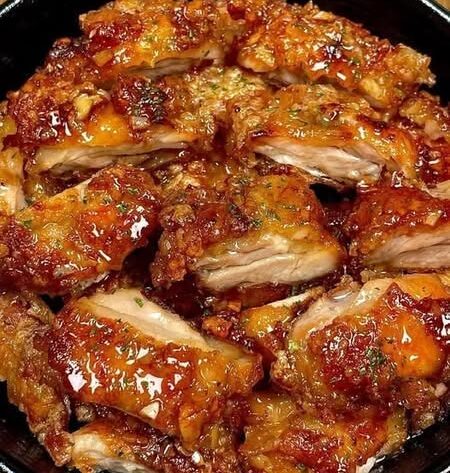
Honey glazed chicken is a wonderful choice when a homemade meal needs to be both flavorful and satisfying. It combines tender, juicy chicken with a sweet and savory sauce made from honey, soy sauce, pineapple juice, garlic, and ginger. As the chicken bakes, it absorbs the flavors of the marinade, while the finishing glaze creates a beautiful glossy coating with slightly caramelized edges.
This recipe is easy to prepare with everyday ingredients and does not require complicated cooking techniques. The chicken is marinated ahead of time, baked in the oven, and finished with a thick honey glaze. A few minutes under the broiler give the sauce its signature sticky texture and lightly browned finish.
The combination of honey and soy sauce creates a delicious balance of sweet and salty flavors. Pineapple juice or orange juice adds a little tanginess, while garlic and ginger provide warmth and depth. Together, these ingredients make a flavorful sauce that coats the chicken beautifully.
Whether served for a family dinner, a weekend meal, or a special gathering, honey glazed chicken is a versatile dish that pairs easily with rice, potatoes, vegetables, and fresh salads.
What Makes Honey Glazed Chicken So Delicious?
The secret to this recipe is the combination of ingredients used in the marinade. Each one contributes something different, creating a sauce that tastes rich without being overly sweet.
Honey gives the chicken its natural sweetness and helps create the sticky glaze. Soy sauce adds a savory flavor that balances the honey, while pineapple juice or orange juice brings a gentle fruity tang.
Garlic adds a savory aroma, and ginger gives the marinade a mild warmth that works particularly well with the sweetness of the honey.
Once the chicken is baked, the reserved marinade is cooked separately until it becomes thicker and more concentrated. Cornstarch helps turn it into a glossy glaze that clings to the chicken rather than running off.
The final broiling step adds another layer of flavor. The heat caramelizes the honey slightly, creating sticky edges and an attractive golden finish.
Why You Will Enjoy Making This Recipe at Home
There are several reasons to keep this honey glazed chicken recipe in your regular meal rotation.
- Simple ingredients: Honey, soy sauce, garlic, ginger, and chicken form the base of this flavorful dish.
- Easy preparation: Most of the work involves mixing the marinade and preparing the chicken.
- Make-ahead convenience: The chicken can marinate in the refrigerator for two to three hours before cooking.
- Rich homemade glaze: The reserved marinade becomes a thick sauce that gives the chicken its signature finish.
- Versatile serving options: It tastes delicious with rice, mashed potatoes, roasted vegetables, or salad.
- Suitable for different occasions: The sweet and savory flavor makes it suitable for everyday dinners and special meals.
Another advantage is that the marinade and glaze are prepared from the same ingredients. This creates a consistent flavor throughout the dish and makes preparation more convenient.
Ingredients That Give the Chicken Its Flavor
Understanding the purpose of each ingredient helps achieve the best result. The recipe uses a handful of familiar ingredients, but the combination makes a noticeable difference.
Chicken for a Juicy and Tender Main Dish
The recipe calls for 2 pounds of chicken, which is enough to serve approximately six people.
Chicken drumsticks and thighs are excellent choices because they remain juicy during baking. Their slightly richer flavor also works particularly well with the sweet honey glaze.
Other preferred chicken cuts can also be used, provided the cooking time is adjusted according to their size and thickness.
For more even cooking, try to select chicken pieces that are similar in size. This helps them finish cooking at approximately the same time.
Before adding the marinade, pat the chicken dry with paper towels. Removing excess moisture helps the marinade coat the surface more evenly.
Honey for Natural Sweetness
Honey is the main ingredient responsible for the sweet flavor and sticky texture.
When heated, honey becomes thinner and combines easily with the soy sauce and fruit juice. As the glaze cooks down, it develops a richer consistency that coats the chicken beautifully.
The recipe uses ⅔ cup of honey. This amount provides enough sweetness to balance the savory ingredients without requiring additional sugar.
Honey also helps create the slightly caramelized finish during broiling. However, because it contains natural sugars, the chicken should be watched carefully during the final cooking stage to prevent burning.
Soy Sauce for a Savory Balance
Soy sauce adds saltiness and depth to the marinade.
Without it, the honey could make the sauce taste too sweet. The savory flavor of soy sauce balances the sweetness and gives the chicken a more rounded taste.
The recipe uses ½ cup of soy sauce.
Since soy sauce already contains salt, additional seasoning is generally unnecessary unless adjustments are needed after tasting the cooked glaze.
Pineapple Juice or Orange Juice for a Little Tang
The recipe includes ⅓ cup of pineapple juice or orange juice.
Both options work well, although they give the finished chicken slightly different flavors.
Pineapple juice provides a tropical sweetness with a gentle tang. Orange juice adds a bright citrus flavor that complements the honey and garlic.
Either option can be used depending on what is available in the kitchen.
The fruit juice also contributes moisture to the marinade and helps balance the stronger flavors of the soy sauce and ginger.
Garlic for Extra Flavor
Garlic gives the marinade its savory aroma and makes the overall flavor more interesting.
Use two to three freshly minced garlic cloves for a stronger, more natural garlic taste.
If fresh garlic is unavailable, one teaspoon of garlic powder can be used instead.
Mix the garlic thoroughly into the marinade so its flavor is distributed evenly over the chicken.
Ginger for Warmth and Aroma
Ginger adds a gentle warmth that complements the sweetness of the honey.
The recipe calls for 1½ teaspoons of ground ginger or one to two tablespoons of freshly minced ginger.
Fresh ginger provides a slightly brighter flavor, while ground ginger gives the sauce a warm and familiar taste.
Both options work well, so the choice depends on personal preference and ingredient availability.
Cornstarch for a Thick and Glossy Glaze
Cornstarch is used to thicken the reserved marinade after it has simmered.
Without a thickener, the sauce may remain too thin to cling properly to the chicken.
The recipe uses one tablespoon of cornstarch mixed with a tablespoon of hot marinade. This creates a smooth slurry that can be added back into the saucepan.
Adding the cornstarch this way helps prevent lumps and gives the glaze a smooth consistency.
Green Onions and Sesame Seeds for Garnishing
Green onions and sesame seeds are optional finishing ingredients.
Sliced green onions add freshness and a little color to the finished chicken. Sesame seeds provide a delicate crunch and make the presentation more attractive.
They are added after cooking, just before serving.
Preparing the Honey Garlic Marinade
The first step is preparing the marinade that will flavor the chicken.
Take a medium-sized mixing bowl and add the honey, soy sauce, pineapple juice or orange juice, minced garlic, and ground ginger.
Whisk the ingredients together until the honey is fully incorporated and the mixture looks smooth.
The marinade should have a balanced sweet and savory aroma. The honey provides the sweetness, while the soy sauce, garlic, and ginger create a deeper flavor.
Once everything is combined, divide the marinade into two equal portions.
This is an important step because one portion will be used to marinate the raw chicken, while the other must remain separate for preparing the finishing glaze.
Keep the reserved portion in a clean, covered container in the refrigerator until needed.
Marinating the Chicken for Better Flavor
Place the chicken pieces in a large bowl or a resealable food storage bag.
Pour one portion of the prepared marinade over the chicken. Turn the pieces several times so that the marinade covers all sides.
If using a bowl, cover it tightly with a lid or plastic wrap. If using a food storage bag, remove excess air before sealing.
Place the chicken in the refrigerator for two to three hours.
During this time, the marinade flavors the surface of the chicken and helps create a more flavorful result after baking.
Turning the chicken once or twice during marination helps distribute the marinade evenly.
Avoid leaving the chicken in the marinade for longer than three hours. The acidity in the fruit juice can affect the texture if the chicken is left for too long.
Always keep marinating chicken refrigerated rather than leaving it at room temperature.
Preparing the Oven and Baking Tray
When the marinating time is almost complete, prepare the oven.
Preheat it to 425°F (220°C).
Line a baking tray with parchment paper or aluminum foil to make cleanup easier. A suitable baking dish can also be used.
Remove the chicken from the refrigerator and arrange the pieces in a single layer on the prepared tray.
Leave a little space between the pieces so that the heat can circulate around them. Avoid overcrowding because tightly packed chicken may release moisture and cook less evenly.
Allow excess marinade to drip off before arranging the chicken on the tray.
Discard the marinade that has been in contact with the raw chicken. It should never be used as the finishing glaze.
Baking the Chicken Until Tender
Place the prepared chicken in the preheated oven.
Bake for approximately 20 to 25 minutes, turning the pieces halfway through cooking.
The exact cooking time depends on the size and thickness of the chicken pieces. Smaller pieces may cook more quickly, while larger cuts can require additional time.
During baking, the chicken begins to develop a lightly golden surface while the marinade flavors settle into the meat.
The chicken should be fully cooked before applying the finishing glaze.
Use a food thermometer to check the thickest part of each piece, avoiding the bone. Chicken must reach an internal temperature of 165°F (74°C) for food safety.
If the chicken has not reached this temperature after the suggested cooking time, continue baking and check again.
Preparing the Sticky Honey Glaze
While the chicken is baking, prepare the glaze using the reserved marinade.
Pour the reserved marinade into a small saucepan and place it over medium heat.
Bring it to a gentle simmer and cook for approximately 10 minutes. Stir occasionally as the liquid reduces and the flavors become more concentrated.
In a separate small bowl, combine one tablespoon of cornstarch with one tablespoon of the hot marinade.
Stir until the cornstarch dissolves completely and forms a smooth mixture.
Slowly pour the cornstarch mixture back into the saucepan while whisking continuously.
Continue cooking for another minute or so until the sauce thickens.
The finished glaze should look shiny and smooth. It should be thick enough to coat the back of a spoon while remaining easy to brush over the chicken.
Remove the saucepan from the heat once the desired consistency is reached.
Using the reserved marinade rather than the marinade that touched raw chicken keeps the finishing sauce separate and safe to prepare.
Coating the Chicken with the Glaze
When the chicken has finished baking and reached a safe internal temperature, remove the tray from the oven.
Use a pastry brush to spread the warm honey glaze over the chicken pieces.
Coat the top and sides generously, making sure the sauce reaches the surface of each piece.
The warmth of the chicken helps the glaze spread evenly and cling to the meat.
If the glaze becomes too thick while waiting, it can be gently warmed for a short time until it reaches a brushable consistency.
Broiling for a Golden and Sticky Finish
The final broiling step gives this chicken its attractive glossy appearance.
Place the glazed chicken under the oven broiler for approximately two to three minutes.
The high heat helps the honey glaze caramelize slightly, creating sticky edges and a deeper golden color.
Keep a close eye on the chicken throughout this step. Honey contains natural sugars that can burn quickly under direct heat.
Remove the tray as soon as the glaze looks glossy, sticky, and lightly caramelized.
Allow the chicken to rest for a minute or two before serving.
How to Know When Honey Glazed Chicken Is Ready
A good honey glazed chicken should have a few noticeable qualities.
The outside should have a glossy coating with lightly caramelized edges. The glaze should cling to the chicken instead of running off immediately.
The meat should be tender and juicy rather than dry.
Most importantly, the internal temperature should reach 165°F (74°C).
If using bone-in chicken pieces, check the temperature in the thickest part without touching the bone.
Do not rely on the color of the outside alone to determine whether the chicken is cooked.
Serving Honey Glazed Chicken at Home
Once the chicken is ready, transfer it to a serving plate or arrange it in a shallow serving dish.
Sprinkle sliced green onions and sesame seeds over the top if desired.
The sweet and savory glaze pairs well with several simple side dishes.
Serve with Steamed Rice
Steamed white rice is one of the easiest accompaniments.
Its mild flavor balances the rich honey glaze, while the rice absorbs any extra sauce served alongside the chicken.
Brown rice can also be used for a slightly nuttier flavor.
Pair with Mashed Potatoes
Creamy mashed potatoes make another satisfying side dish.
Their smooth texture complements the sticky chicken, creating a comforting meal that works especially well for family dinners.
Add Fresh or Roasted Vegetables
Steamed broccoli, carrots, green beans, and roasted cauliflower all pair nicely with honey glazed chicken.
Vegetables provide freshness and balance the sweetness of the sauce.
A simple cucumber or green salad is another good option when a lighter meal is preferred.
Serve with Noodles
For a different serving idea, pair the chicken with plain noodles or lightly seasoned stir-fried vegetables.
The sweet and savory glaze works particularly well with simple noodle dishes.
Helpful Tips for Making the Best Honey Glazed Chicken
A few small details can make a noticeable difference in the final result.
- Divide the marinade properly: Always reserve half before adding the other portion to raw chicken.
- Marinate in the refrigerator: Keep the chicken chilled throughout the marinating period.
- Avoid excessive marination: Two to three hours is enough for this recipe.
- Choose similar-sized chicken pieces: This helps them cook more evenly.
- Leave space on the baking tray: Overcrowding can affect browning and cooking.
- Check the internal temperature: The thickest part of the chicken should reach 165°F (74°C).
- Prepare the glaze separately: Only use the reserved marinade that has not touched raw chicken.
- Add the glaze before broiling: This helps create the sticky, caramelized coating.
- Watch the broiler carefully: The honey can burn if exposed to high heat for too long.
Common Mistakes to Avoid
Although this recipe is simple, a few mistakes can affect the texture and flavor.
Using all the marinade at once: If no marinade is reserved before adding the chicken, there will not be a clean portion available for preparing the glaze.
Marinating for too long: Excessive exposure to fruit juice can change the texture of the chicken.
Overcrowding the baking tray: Chicken pieces need space to cook evenly.
Adding the glaze too early: Applying the finishing glaze before the chicken is cooked can cause excessive browning while the meat is still undercooked.
Skipping the temperature check: A golden exterior does not necessarily mean the chicken is fully cooked.
Leaving the chicken unattended under the broiler: Honey can caramelize very quickly, so a few extra seconds can make the surface too dark.
Can You Use Different Types of Chicken?
Yes. This recipe works with chicken drumsticks, thighs, and other preferred cuts.
The most important adjustment is cooking time.
Smaller or boneless pieces may cook faster, while larger bone-in pieces can take longer.
Always use a food thermometer rather than relying entirely on the suggested cooking time.
Can Pineapple Juice Be Replaced with Orange Juice?
Yes. The original recipe allows either pineapple juice or orange juice.
Pineapple juice gives the sauce a sweet, slightly tangy flavor. Orange juice provides a brighter citrus note.
Both complement honey, soy sauce, garlic, and ginger.
Use the same quantity whichever option you choose.
How to Store Leftover Honey Glazed Chicken
If there is leftover chicken, allow it to cool slightly and transfer it to an airtight food storage container.
Refrigerate within two hours of cooking and keep it for up to three days.
Store the chicken with any remaining glaze to help maintain moisture.
For longer storage, freeze the cooked chicken in a suitable airtight container. Thaw it safely in the refrigerator before reheating.
Best Way to Reheat the Chicken
The oven is a good option for reheating because it warms the chicken more evenly.
Place the pieces in an oven-safe dish and cover loosely with foil to help prevent them from drying out.
Heat until the chicken is thoroughly warmed to 165°F (74°C).
For individual portions, the microwave is also convenient. Use short heating intervals and turn the pieces as needed.
Avoid overheating because the chicken can become dry and the honey glaze may become overly sticky.
Why This Homemade Honey Glazed Chicken Is Worth Making
A good homemade chicken recipe should offer plenty of flavor without requiring complicated preparation.
This honey glazed chicken does exactly that. The marinade brings together sweetness, saltiness, citrus, garlic, and ginger, while the oven takes care of most of the cooking.
The reserved sauce is transformed into a glossy glaze that coats the chicken and creates a delicious caramelized finish under the broiler.
Served with rice, potatoes, noodles, or vegetables, it makes a satisfying meal that is easy to prepare at home. With simple ingredients and a straightforward cooking method, this recipe is a practical choice whenever a flavorful chicken dinner is needed.
Description
Honey Glazed Chicken is a flavorful oven-baked chicken dish coated in a sweet and savory sauce made with honey, soy sauce, pineapple juice or orange juice, garlic, and ginger. The chicken is marinated, baked until juicy, and finished with a thick homemade glaze that becomes sticky and lightly caramelized under the broiler. Serve it with rice, mashed potatoes, or vegetables for a delicious homemade dinner.
Recipe Duration
- Preparation Time: 10 minutes
- Marination Time: 2–3 hours
- Cooking Time: 25 minutes
- Glaze Preparation: 10 minutes
- Broiling Time: 2–3 minutes
- Total Time: Approximately 3 hours 35 minutes
- Servings: 6
- Course: Main Course
- Cuisine: American-Inspired
- Cooking Method: Oven-Baked
Ingredients
For the Honey Marinade and Glaze
- ⅔ cup honey
- ½ cup soy sauce
- ⅓ cup pineapple juice or orange juice
- 2–3 cloves garlic, minced (or 1 teaspoon garlic powder)
- 1½ teaspoons ground ginger (or 1–2 tablespoons fresh minced ginger)
For the Chicken
- 2 pounds chicken (drumsticks, thighs, or your preferred cut)
- 1 tablespoon cornstarch
For Garnishing
- Green onions, sliced (optional)
- Sesame seeds (optional)
Instructions
Step 1: Mix the Marinade
Add honey, soy sauce, pineapple juice or orange juice, minced garlic, and ground ginger to a medium-sized bowl. Whisk until the ingredients are thoroughly combined.
Divide the marinade into two equal portions. Keep one portion separate for preparing the glaze later.
Step 2: Marinate the Chicken
Place the chicken in a large bowl or resealable food storage bag. Pour one portion of the marinade over the chicken and turn the pieces until evenly coated.
Cover or seal and refrigerate for 2–3 hours. Turn the chicken once or twice during this time for even marination.
Step 3: Prepare the Oven
Preheat the oven to 425°F (220°C).
Line a baking tray with parchment paper or aluminum foil, or prepare a suitable baking dish.
Step 4: Bake the Chicken
Arrange the marinated chicken pieces in a single layer on the prepared tray, leaving a little space between them.
Bake for approximately 20–25 minutes, turning halfway through cooking.
Check the thickest part of the chicken with a food thermometer. It should reach an internal temperature of 165°F (74°C).
Step 5: Prepare the Honey Glaze
While the chicken is baking, pour the reserved marinade into a small saucepan.
Bring it to a gentle simmer over medium heat and cook for approximately 10 minutes.
In a separate bowl, mix the cornstarch with one tablespoon of hot marinade until smooth.
Pour this mixture into the saucepan while whisking continuously. Cook for another minute or until the glaze becomes thick, smooth, and glossy.
Step 6: Coat the Chicken
Remove the fully cooked chicken from the oven.
Brush the prepared honey glaze generously over all the chicken pieces, covering the tops and sides.
Step 7: Broil Until Caramelized
Place the glazed chicken under the broiler for 2–3 minutes.
Watch carefully until the glaze becomes sticky, shiny, and lightly caramelized. Remove from the oven before the honey begins to burn.
Step 8: Garnish and Serve
Allow the chicken to rest for a minute or two.
Finish with sliced green onions and sesame seeds if desired. Serve warm with rice, mashed potatoes, noodles, or vegetables.
Recipe Notes
- Divide the marinade before adding the chicken so that a clean portion is available for the glaze.
- Keep the chicken refrigerated while marinating.
- Do not marinate for longer than three hours.
- Discard any marinade that has touched raw chicken.
- Always cook chicken to an internal temperature of 165°F (74°C).
- Watch the chicken carefully during broiling because honey can burn quickly.
- Pineapple juice and orange juice can be used interchangeably in the same quantity.
Storage Instructions
- Refrigerator: Store cooked chicken in an airtight container for up to 3 days.
- Freezer: Freeze in a suitable airtight container for longer storage.
- Reheating: Warm in the oven or microwave until thoroughly heated. Avoid overheating to keep the chicken juicy.
Nutrition Information
Approximate values per serving, based on 6 servings.
| Nutrient | Amount |
|---|---|
| Calories | 467 kcal |
| Carbohydrates | 36 g |
| Protein | 30 g |
| Total Fat | 23 g |
| Saturated Fat | 7 g |
| Polyunsaturated Fat | 5 g |
| Monounsaturated Fat | 9 g |
| Trans Fat | 0.1 g |
| Cholesterol | 113 mg |
| Sodium | 1,188 mg |
| Potassium | 376 mg |
| Fiber | 0.4 g |
| Sugar | 33 g |
| Vitamin A | 213 IU |
| Vitamin C | 4 mg |
| Calcium | 27 mg |
| Iron |