 admin1
When I want to prepare a meal that feels special without spending the entire day in the kitchen, this grilled ham with orange mustard glaze is one of my favorite choices. Since the ham is already cooked, the main goal is to gently warm it while adding layers of smoky flavor and a glossy glaze that complements every slice. Cooking it slowly over indirect heat keeps the meat juicy, while the orange mustard glaze creates the perfect balance of sweet, tangy, and savory flavors.
One of the reasons I enjoy making this recipe is that it doesn’t require complicated preparation. A few simple ingredients work together to transform an ordinary spiral-sliced ham into a centerpiece that’s perfect for family dinners, holiday gatherings, or any meal where you want something impressive with minimal effort.
Why I Like This Recipe
- Whenever I prepare ham at home, I prefer using a pre-cooked spiral-sliced ham. Since it has already been fully cooked, I don’t have to worry about cooking raw meat to a safe temperature. Instead, I can focus on enhancing the flavor and keeping the ham moist throughout the cooking process.
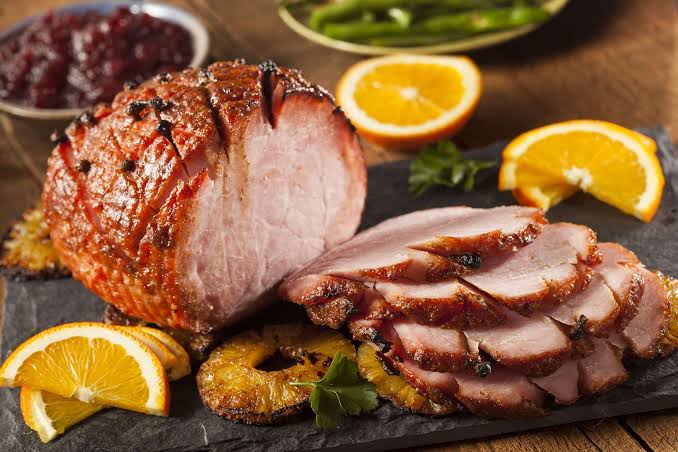
- The spiral slices also make serving much easier. Once the ham has rested, the slices separate neatly, making it simple to serve without much carving.
- Another reason this recipe has become a favorite is its flexibility. Whether I’m using a gas grill, charcoal grill, pellet grill, or ceramic cooker, the cooking method remains almost the same. The only real difference is how the heat and smoke are created.
The Secret to a Juicy Grilled Ham
- Since the ham is already cooked, grilling is not about cooking it from raw. Instead, it’s about slowly warming the meat while allowing it to absorb a gentle smoky flavor.
- Cooking over indirect heat prevents the outside from drying out before the center becomes warm. A low cooking temperature gives the juices time to stay inside the meat rather than evaporating quickly.
- I also place the ham in an aluminum pan with liquid during cooking. This creates a moist environment around the ham, helping every slice remain tender from beginning to end.
- Basting the ham with the juices collected in the pan every so often adds even more moisture while building extra flavor.
Ingredients That Build Flavor
- Although the ingredient list is simple, every ingredient has an important purpose in the finished dish.
Spiral-Sliced Cooked Ham
- The main ingredient is a pre-cooked spiral-sliced ham.
- Using a spiral-cut ham makes serving effortless because the slices are already partially separated. As the ham cooks, the seasoning and glaze naturally work their way between the slices, adding flavor throughout.
Dijon Mustard
- Dijon mustard forms the first layer of seasoning on the ham.
- It creates a thin coating that helps the dry seasoning stick while adding a mild tangy flavor. Its smooth texture spreads easily across the surface without becoming overly thick.
- Some people prefer yellow mustard, but Dijon provides a slightly richer flavor that pairs beautifully with smoked ham.
Pork Rub
- A barbecue-style pork rub adds another layer of flavor before the ham goes onto the grill.
- The seasoning creates a savory exterior that complements both the smoke and the glaze added later. As the ham slowly cooks, the seasoning blends with the mustard to form a flavorful coating
Fruit Beer, Soda, or Juice
- One ingredient that often surprises people is the liquid poured into the bottom of the pan.
- Instead of covering the ham, the liquid surrounds it.
- As the grill heats, the liquid creates gentle steam inside the pan, helping prevent the ham from drying out during the long cooking time.
- A fruit beer adds subtle sweetness, while a lemon-lime soda gives light citrus notes. Apple juice is another excellent option that pairs naturally with ham.
The Orange Mustard Glaze
- The glaze is what truly finishes this recipe.
- Instead of being overly sweet, it combines several ingredients that balance one another perfectly.
- Orange marmalade brings bright citrus flavor along with natural sweetness.
- Dijon mustard adds tanginess that keeps the glaze from becoming sugary.
- Soy sauce introduces a savory depth that balances the fruit flavors.
- If I want just a little warmth, I include a few dashes of hot sauce. It doesn’t make the glaze spicy; it simply adds another layer of flavor that contrasts nicely with the sweetness.
- Once brushed over the ham during the final stage of cooking, the glaze thickens slightly and develops a beautiful glossy finish.
Preparing the Grill
- One of the most important steps is setting up the grill correctly.
- The ham should never sit directly over high heat.
- Instead, I prepare the grill for indirect cooking and maintain a steady temperature of about 250°F.
- This lower temperature slowly warms the ham while allowing the smoke to gently flavor the outside without burning the glaze or drying the meat.
- No matter which grill I use, patience produces the best results. Rushing with higher heat may warm the ham faster, but it can also make the outside tough while the inside loses moisture.
Cooking on Different Types of Grills
- The nice thing about this recipe is that it works on almost any outdoor cooker.
- Gas Grill
- When using a gas grill, I leave one section without direct heat and place the ham there. The lit burners maintain the cooking temperature while wood chips provide a light smoky aroma.
- Pellet Grill
- A pellet grill is especially convenient because it naturally provides indirect heat while producing consistent smoke throughout the cooking process.
- Charcoal Grill
- With a charcoal grill, I arrange the hot coals to one side and position the ham on the opposite side. This creates indirect heat that gently cooks the ham without exposing it to direct flames.
- Ceramic Cooker
- A ceramic cooker also works beautifully because it holds steady temperatures for long periods. Using a heat diffuser keeps the cooking gentle and even while allowing subtle smoke to surround the ham.
Seasoning the Ham
- Once the grill is preheated and ready for indirect cooking, I prepare the ham by placing it in an aluminum half pan. Keeping it in the pan throughout the cooking process makes cleanup easier while also helping collect the flavorful juices that develop as the ham warms.
- The first layer is a generous coating of Dijon mustard. I spread it evenly over the outside of the ham, making sure it reaches between some of the spiral slices. This not only adds flavor but also helps the seasoning stick to the surface.
- Next, I sprinkle the pork rub over the mustard-coated ham. I cover the entire exterior with an even layer, gently pressing the seasoning onto the meat so it stays in place during cooking. Since spiral-cut hams vary in size, the exact amount of mustard and seasoning may differ slightly, but the goal is simply to coat the outside without overloading it.
- After seasoning, I carefully pour the fruit beer, soda, or juice into the bottom of the pan. I make sure the liquid surrounds the ham instead of washing away the seasoning. As the grill heats, this liquid creates steam that helps keep the ham moist while also blending with the natural juices that collect in the pan.
Slow Cooking Makes All the Difference
- The ham cooks over indirect heat at 250°F for about three hours. This gentle cooking method gradually warms the meat without drying it out.
- One of the biggest mistakes people make is trying to speed up the process with higher temperatures. Although the ham may heat faster, excessive heat can dry the outer slices before the center is fully warmed. Cooking low and slow allows the meat to stay tender while developing a light smoky flavor.
- During this time, I avoid opening the grill too often. Keeping the lid closed helps maintain a steady cooking temperature and allows the smoke to circulate around the ham.
Basting Throughout the Cook
- As the ham cooks, the liquid in the pan combines with the natural juices released from the meat, creating a flavorful mixture that is perfect for basting.
- Every 30 to 60 minutes, I use a spoon or basting brush to coat the outside of the ham with these juices. This simple step keeps the surface from drying and adds another layer of flavor as the juices soak into the spiral slices.
- By the end of the cooking time, the ham has developed a rich color while remaining moist from the inside out.
Preparing the Orange Mustard Glaze
- While the ham finishes its initial cooking time, I prepare the glaze.
- In a medium bowl, I combine:
- Orange marmalade
- Dijon mustard
- Soy sauce
- Hot sauce (optional)
- I stir everything together until smooth. The marmalade provides sweetness and citrus flavor, while the mustard adds a pleasant tang. Soy sauce balances the sweetness with a savory note, creating a glaze that complements the smoky ham instead of overpowering it.
- If I want a subtle kick, I add a few dashes of hot sauce. It doesn’t make the glaze noticeably spicy, but it adds a gentle warmth that enhances the overall flavor.
Finishing with the Glaze
- After the ham has cooked for about three hours, it’s time for the final step.
- I pour or brush the glaze generously over the entire surface of the ham, allowing some of it to settle between the spiral slices. The warm ham helps the glaze spread easily, coating every exposed edge.
- The ham then returns to the grill for about 30 more minutes.
- During this final stage, the glaze thickens slightly and develops a glossy finish. The sugars in the marmalade gently caramelize without burning because the cooking temperature remains low.
- By the end of the cook, the outside of the ham has a beautiful shine, while the inside remains juicy and flavorful.
Let the Ham Rest Before Serving
- Once the ham comes off the grill, I resist the temptation to slice it immediately.
- Instead, I let it rest for 15 to 20 minutes. Resting allows the juices to settle throughout the meat, making each slice more tender and flavorful.
- Because the aluminum pan contains hot juices, I carefully transfer it to a sturdy baking sheet before moving it indoors. This provides extra support and helps prevent spills.
Slicing the Ham
- Thanks to the spiral-cut design, slicing is quick and easy.
- I begin near the top of the ham and follow the natural cuts around the bone. Most slices separate easily with very little effort.
- Once the larger slices have been removed, I continue trimming any remaining meat from around the bone. Very little goes to waste, and even the smaller pieces are perfect for sandwiches or salads.
- Rather than discarding the ham bone, I save it for another meal. It adds wonderful flavor to soups, beans, or slow-cooked greens.
Serving Suggestions
- This grilled ham pairs well with a wide variety of side dishes, making it suitable for both casual family dinners and festive holiday meals.
- Some favorite side dishes include:
- Mashed potatoes
- Roasted vegetables
- Baked sweet potatoes
- Green beans
- Macaroni and cheese
- Dinner rolls
- Fresh garden salad
- Grilled glazed carrots
- The combination of smoky ham and citrus glaze works especially well with simple vegetable sides that balance the richness of the meat.
Storing Leftovers
- Leftover ham stores very well, making this recipe ideal for meal planning.
- After the ham has cooled completely, I transfer the slices to an airtight container and refrigerate them for 3 to 4 days.
- For longer storage, I freeze the ham for up to 6 months. However, I find the flavor and texture are best when enjoyed within the first 1 to 2 months.
Reheating Tips
- There are several easy ways to enjoy leftover ham without drying it out.
- Individual slices can be reheated in the microwave until warmed through.
- For larger portions, I like using a skillet over medium-low heat with a small splash of water or juice. Covering the skillet helps retain moisture while gently reheating the meat.
- Leftover diced ham also works well in many everyday meals, including:
- Omelets
- Breakfast casseroles
- Pasta salads
- Fried rice
- Potato casseroles
- Sandwiches
- Soups
- Its smoky flavor makes it a versatile ingredient long after the main meal is finished.
Helpful Tips for Success
- A few simple habits help ensure consistent results every time I make this recipe.
- Use an aluminum half pan to catch the juices and make cleanup easier.
- For heavier hams, stack two aluminum pans together for added stability.
- Keep the grill temperature close to 250°F throughout the cook.
- Baste regularly to maintain moisture.
- Apply the glaze only during the last 30 minutes so it doesn’t burn.
- Allow the ham to rest before slicing for the juiciest results.
- These small details make a noticeable difference in both texture and flavor.
Grilled Ham with Orange Mustard Glaze RECIPE
Description
- This grilled ham with orange mustard glaze is slowly heated over indirect heat until tender and juicy, then finished with a sweet, tangy, and savory glaze. The gentle smoky flavor combined with the citrus glaze creates a delicious main dish that’s perfect for holiday meals, family gatherings, or any special occasion.
Recipe Details
- Prep Time: 15 minutes
- Cook Time: 3 hours 30 minutes
- Total Time: 3 hours 45 minutes
- Servings: 10
Ingredients
For the Ham
- 1 (10-pound) spiral-sliced cooked ham
- 1/4 cup Dijon mustard
- 2 tablespoons pork rub
- 12 ounces fruit beer, lemon-lime soda, or apple juice
- Wood chips, pellets, or charcoal (depending on your grill)
For the Orange Mustard Glaze
- 1/2 cup orange marmalade
- 1/4 cup Dijon mustard
- 2 tablespoons soy sauce
- Hot sauce, to taste (optional)
Instructions
- 1. Prepare the Grill
- Preheat your gas, charcoal, pellet, or ceramic grill to 250°F (121°C). Set it up for indirect cooking so the ham is not directly over the heat source. If desired, add wood chips or pellets for a light smoky flavor.
- 2. Season the Ham
- Place the spiral-sliced ham in an aluminum half pan. Spread the Dijon mustard evenly over the outside of the ham, then coat it with the pork rub. Pour the fruit beer, soda, or juice into the pan around the ham, being careful not to wash off the seasoning.
- 3. Slow Cook
- Place the pan on the grill over indirect heat. Close the lid and cook for approximately 3 hours, maintaining a steady temperature of 250°F.
- Baste the ham with the juices in the pan every 30 to 60 minutes to keep it moist and flavorful.
- 4. Prepare the Glaze4. Prepare the Glaze
- While the ham is cooking, combine the orange marmalade, Dijon mustard, soy sauce, and optional hot sauce in a medium bowl. Stir until smooth.
- 5. Glaze the Ham
- After the initial cooking time, brush or pour the glaze evenly over the ham, allowing some of it to flow between the spiral slices.
- Continue grilling for 30 minutes, until the glaze becomes glossy and lightly caramelized.
- 6. Rest and Serve
- Carefully remove the ham from the grill and let it rest for 15 to 20 minutes before serving.
- Separate the spiral slices and arrange them on a serving platter. Serve warm with your favorite side dishes.
Notes
- Use a fully cooked spiral-sliced ham for the best results.
- Maintain a grill temperature of approximately 250°F throughout the cooking process.
- Basting regularly helps keep every slice juicy.
- Apply the glaze only during the final 30 minutes to prevent burning.
- For larger hams, place the pan inside a second aluminum pan for added support when moving it.
- Fruit beer, lemon-lime soda, or apple juice all work well for keeping the ham moist.
- The optional hot sauce adds a mild kick without overpowering the sweet citrus glaze.
Serving Suggestions
- Serve this grilled ham with:
- Mashed potatoes
- Roasted vegetables
- Macaroni and cheese
- Green beans
- Dinner rolls
- Fresh salad
- Grilled glazed carrots
Storage
- Allow leftover ham to cool completely before storing.
- Refrigerator: Store in an airtight container for 3–4 days.
- Freezer: Freeze for up to 6 months. For the best flavor and texture, enjoy within 1–2 months.
Reheating
- Microwave individual slices until heated through.
- Reheat larger portions in a covered skillet over low heat with a small splash of water or juice to help retain moisture.
Leftover Ideas
- Use leftover ham in:
- Omelets
- Breakfast casseroles
- Pasta salad
- Fried rice
- Soups
- Sandwiches
- Potato casseroles
Nutrition Information (Per Serving)
Approximate values based on 10 servings.
| Nutrient | Amount |
|---|---|
| Calories | 1,168 kcal |
| Carbohydrates | 13 g |
| Protein | 99 g |
| Total Fat | 77 g |
| Saturated Fat | 27 g |
| Polyunsaturated Fat | 8 g |
| Monounsaturated Fat | 36 g |
| Trans Fat | 1 g |
| Cholesterol | 281 mg |
| Sodium | 5,733 mg |
| Potassium | 1,344 mg |
| Fiber | 1 g |
| Sugar | 10 g |
| Vitamin A | 40 IU |
| Vitamin C | 1 mg |
| Calcium | 56 mg |
| Iron | 5 mg |