 admin1
 Introduction
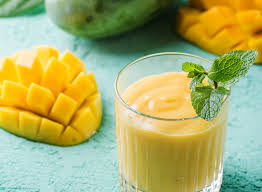
Keto Mango Smoothie is a low-carbohydrate, high-fat, and nutrient-rich beverage designed to give the tropical flavor of mango while keeping sugar content as low as possible for ketogenic or low-carb diets. Since mango is naturally high in sugar, this recipe uses a controlled amount of mango combined with keto-friendly ingredients such as unsweetened coconut milk, almond milk, heavy cream, avocado, and ice to create a thick, creamy smoothie that feels indulgent while staying relatively low in net carbohydrates.
This smoothie is ideal for breakfast, post-workout nutrition, a refreshing summer drink, or a healthy dessert alternative. It provides healthy fats for energy, fiber for digestion, and enough natural fruit flavor to satisfy sweet cravings without breaking a keto lifestyle when portioned correctly.
Preparation Time
Preparation time: 10 to 15 minutes
Blending time: 3 to 5 minutes
Total time: Approximately 15 to 20 minutes
Yield
Serves 2 large smoothies or 3 smaller servings
Ingredients
Main Ingredients
1/2 cup fresh or frozen mango pieces
1 medium ripe avocado
1 cup unsweetened coconut milk
1/2 cup unsweetened almond milk
1/2 cup ice cubes
1/4 cup heavy cream
1 to 2 tablespoons keto sweetener such as erythritol, stevia, or monk fruit
1 teaspoon vanilla extract
1 tablespoon lime juice or lemon juice
Optional Protein Additions
1 scoop vanilla or unflavored protein powder
2 tablespoons Greek yogurt (unsweetened)
Optional Healthy Fats
1 tablespoon coconut oil
1 tablespoon chia seeds
1 tablespoon nut butter such as almond or macadamia butter
Optional Flavor Enhancers
Pinch of salt
1/2 teaspoon turmeric for color and anti-inflammatory benefits
A few drops of coconut extract for stronger tropical flavor
Understanding Keto Mango Smoothie
Traditional mango smoothies are typically high in sugar and carbohydrates, which makes them unsuitable for strict keto diets. This version carefully balances mango with high-fat, low-carb ingredients like avocado, coconut milk, and cream. The result is a smoothie that tastes tropical and sweet but has significantly reduced net carbs per serving.
The key is portion control of mango and using fat-rich ingredients to slow sugar absorption while maintaining creaminess and satisfaction.
Choosing the Mango
Mango should be used sparingly in a keto smoothie.
Fresh ripe mango gives the best flavor but should be limited to half a cup.
Frozen mango works well because it naturally thickens the smoothie and eliminates the need for excess ice.
For stricter keto versions, mango can be reduced further and replaced with mango extract or flavoring combined with avocado and coconut milk for texture.
Preparing the Ingredients
Peel and cut mango into small cubes if using fresh fruit.
Ensure avocado is ripe, soft, and creamy without brown spots.
Measure coconut milk, almond milk, and cream accurately for balance.
Prepare ice cubes in advance for thickness and chill.
Having all ingredients ready before blending ensures smooth preparation.
Blending the Smoothie Base
Add coconut milk into the blender first.
Follow with almond milk and heavy cream.
Add avocado next to create a creamy base.
Add mango pieces in controlled quantity.
Add ice cubes for thickness.
Pour in vanilla extract and lime juice.
Add keto sweetener according to taste preference.
Blend on medium speed first, then increase to high speed.
Continue blending until completely smooth and creamy.
Understanding Texture Development
A perfect keto mango smoothie should be thick, creamy, and spoonable but still drinkable.
Avocado provides natural thickness without adding carbs.
Coconut milk adds richness and tropical flavor.
Heavy cream enhances smoothness and mouthfeel.
Ice helps stabilize texture and temperature.
If the smoothie is too thick, add more almond milk gradually.
If too thin, add more ice or avocado.
Flavor Profile
The smoothie has a balanced tropical flavor with creamy undertones.
Mango provides fruity sweetness.
Coconut milk adds exotic richness.
Avocado creates buttery smooth texture.
Lime juice adds brightness and balance.
Vanilla enhances dessert-like aroma.
Together, these elements create a refreshing but satisfying keto-friendly tropical drink.
Protein Enhancement Version
For a more filling smoothie, add protein powder or Greek yogurt.
Protein powder increases muscle support and makes the smoothie more meal-like.
Greek yogurt adds tanginess and probiotic benefits.
When adding protein, increase liquid slightly to maintain smooth consistency.
Nutritional Benefits
Avocado provides healthy monounsaturated fats, fiber, and potassium.
Coconut milk supplies medium-chain triglycerides (MCTs) for energy.
Almond milk keeps calories low and carbs minimal.
Mango adds vitamins A and C in small controlled amounts.
Heavy cream increases satiety and richness.
Protein additions support muscle repair and fullness.
Optional chia seeds provide omega-3 fatty acids and fiber.
Approximate Nutrition Per Serving
Calories: 250 to 450
Fat: 20 to 35 grams
Protein: 5 to 20 grams depending on additions
Net carbohydrates: 6 to 12 grams depending on mango amount
Fiber: 4 to 8 grams
Values vary based on ingredients and portion size.
Serving Suggestions
Serve immediately after blending for best texture.
Pour into chilled glasses.
Top with shredded coconut for extra tropical flavor.
Add a few chia seeds on top for texture.
Serve with keto snacks or boiled eggs for a full meal.
Use as a breakfast smoothie or afternoon energy drink.
Flavor Variations
Tropical Keto Smoothie
Add pineapple extract, coconut flakes, and lime zest.
Green Keto Mango Smoothie
Add spinach or kale for added nutrients and color.
Creamy Dessert Smoothie
Add extra heavy cream and vanilla for dessert-like richness.
Chocolate Keto Mango Smoothie
Add unsweetened cocoa powder for a chocolate-tropical blend.
Berry Mango Keto Smoothie
Add a small amount of strawberries or raspberries for mixed fruit flavor.
Spiced Mango Smoothie
Add cinnamon, nutmeg, or turmeric for warm spice notes.
Common Mistakes and Solutions
Problem: Smoothie too high in carbs
Solution: Reduce mango quantity and increase avocado and cream
Problem: Texture too thin
Solution: Add more ice, avocado, or coconut milk
Problem: Taste not sweet enough
Solution: Add keto sweetener gradually and adjust
Problem: Too thick to blend
Solution: Add almond milk slowly while blending
Problem: Bland flavor
Solution: Add lime juice, vanilla extract, or pinch of salt
Storage Instructions
Best consumed immediately after blending.
If necessary, store in refrigerator for up to 24 hours.
Shake or blend again before drinking if separation occurs.
Do not freeze for long periods as texture may become icy.
Meal Prep Tips
Pre-portion ingredients into freezer bags for quick blending.
Freeze avocado chunks for faster smoothie preparation.
Use frozen mango to reduce ice requirement.
Prepare liquid base in advance for convenience.
Professional Tips
Always blend liquids first before adding solids.
Use frozen ingredients for thicker texture.
Balance mango carefully to maintain keto goals.
Add lime juice to brighten flavor and reduce heaviness.
Use high-fat ingredients for better ketosis support.
Do not over-blend, as it can warm the smoothie and reduce freshness.
Final Recipe Summary
Keto Mango Smoothie is a creamy, tropical-inspired low-carb beverage made by combining small amounts of mango with avocado, coconut milk, almond milk, and healthy fats like cream. It delivers a refreshing fruity taste while maintaining keto-friendly macronutrient balance when prepared carefully. With its rich texture, customizable ingredients, and refreshing flavor, it serves as an excellent breakfast option, snack, or dessert alternative for those following a ketogenic or low-carb lifestyle.