 admin1
 Introduction
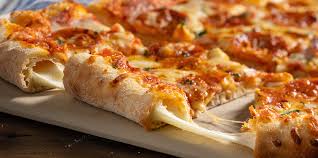
Cheese Crust Pizza is a rich, flavorful, and satisfying pizza variation that combines the classic appeal of pizza with an irresistible cheese-filled crust. Unlike traditional pizzas where the crust serves mainly as a base, this version transforms the crust into one of the most exciting parts of the meal by enclosing melted cheese inside the outer edge. Every bite offers a combination of crispy dough, stretchy melted cheese, savory sauce, and delicious toppings.
This recipe is designed to provide a complete guide to creating an exceptional homemade Cheese Crust Pizza from scratch. It includes detailed instructions for preparing the dough, making pizza sauce, selecting cheeses, shaping the crust, assembling the pizza, baking techniques, serving ideas, variations, troubleshooting, storage methods, and professional culinary tips.
Preparation Time
Preparation time: 45 minutes
Dough rising time: 2 hours
Assembly time: 20 minutes
Baking time: 15 to 20 minutes
Total time: Approximately 3 hours and 25 minutes
Yield
Makes 2 large pizzas
Serves 8 to 10 people
Ingredients
For the Pizza Dough
1 kilogram bread flour
650 milliliters warm water
15 grams instant yeast
20 grams sugar
20 grams sea salt
50 milliliters olive oil
For the Pizza Sauce
2 tablespoons olive oil
6 cloves garlic, minced
1 large onion, finely chopped
2 cans crushed tomatoes, approximately 800 grams total
2 tablespoons tomato paste
1 teaspoon salt
1 teaspoon black pepper
1 teaspoon dried oregano
1 teaspoon dried basil
1 teaspoon sugar
1/2 teaspoon red pepper flakes
For the Cheese-Stuffed Crust
500 grams mozzarella cheese sticks or mozzarella strips
200 grams provolone cheese
100 grams Parmesan cheese
For the Main Pizza Layer
400 grams shredded mozzarella cheese
200 grams cheddar cheese
150 grams provolone cheese
100 grams Parmesan cheese
Optional Toppings
Pepperoni slices
Cooked chicken
Cooked beef
Cooked sausage
Bell peppers
Mushrooms
Onions
Olives
Spinach
Cherry tomatoes
Fresh basil leaves
Preparing the Dough
In a large mixing bowl combine warm water, sugar, and yeast.
Allow the mixture to sit for approximately 5 to 10 minutes.
The yeast should become foamy and active.
Add olive oil.
Add flour gradually.
Add salt.
Mix until a rough dough forms.
Transfer the dough onto a lightly floured surface.
Knead for approximately 10 to 12 minutes.
The dough should become smooth, elastic, and slightly tacky.
Understanding Dough Development
Kneading develops gluten.
Gluten provides structure, elasticity, and chewiness.
A properly developed dough stretches easily without tearing.
This structure is essential for supporting toppings and creating a strong crust.
First Rise
Place the dough into a lightly oiled bowl.
Cover with a clean towel or plastic wrap.
Allow the dough to rise in a warm environment.
The rising process typically takes 1.5 to 2 hours.
The dough should approximately double in size.
Preparing the Pizza Sauce
Heat olive oil in a saucepan over medium heat.
Add onions.
Cook until softened.
Add garlic.
Cook for about 1 minute.
Add crushed tomatoes.
Add tomato paste.
Add salt.
Add black pepper.
Add oregano.
Add basil.
Add sugar.
Add red pepper flakes.
Stir thoroughly.
Reduce heat to low.
Simmer for approximately 30 minutes.
The sauce should thicken and develop rich flavor.
Allow the sauce to cool before use.
Understanding Pizza Sauce
The sauce provides moisture, acidity, and savory depth.
Slow simmering allows flavors to concentrate.
A balanced sauce should be slightly sweet, slightly acidic, and highly aromatic.
Preparing the Cheese
Shred mozzarella cheese.
Shred cheddar cheese.
Grate Parmesan cheese.
Prepare provolone.
Cut mozzarella sticks into lengths appropriate for the crust.
Keep all cheeses refrigerated until assembly.
Punching Down the Dough
After rising, gently press the dough to release excess gas.
Transfer to a lightly floured surface.
Divide into two equal portions.
Shape each portion into a smooth ball.
Allow the dough to rest for 15 minutes.
This relaxation period makes shaping easier.
Shaping the Pizza
Stretch each dough ball into a large circular shape.
Aim for approximately 35 to 40 centimeters in diameter.
Leave extra dough around the perimeter for the stuffed crust.
Use your hands whenever possible to preserve air bubbles.
Creating the Cheese-Stuffed Crust
Arrange mozzarella sticks around the outer edge of the dough.
Leave approximately 3 centimeters of dough extending beyond the cheese.
Fold the excess dough over the cheese.
Press firmly to seal.
Continue around the entire circumference.
Ensure there are no gaps where cheese could escape.
This step creates the signature cheese-filled crust.
Preparing for Assembly
Transfer the shaped dough onto a pizza peel or baking surface.
Ensure the dough remains evenly stretched.
Check all crust seals.
Repair any weak areas before adding toppings.
Adding the Sauce
Spread a thin layer of pizza sauce over the center.
Leave the stuffed crust area uncovered.
Use the back of a spoon for even distribution.
Avoid excessive sauce which may make the pizza soggy.
Adding the Cheese Layer
Sprinkle mozzarella evenly.
Add cheddar cheese.
Add provolone.
Sprinkle Parmesan.
The combination of cheeses creates complexity, richness, and exceptional meltability.
Adding Toppings
Arrange desired toppings evenly.
Distribute ingredients carefully.
Avoid overcrowding.
Balanced topping placement promotes even cooking.
Popular combinations include:
Pepperoni and mozzarella
Chicken and spinach
Beef and mushrooms
Sausage and peppers
Vegetarian combinations
Four-cheese varieties
Preparing the Oven
Preheat the oven to its highest setting.
Most home ovens should be heated to approximately 250 degrees Celsius.
Allow at least 30 minutes for full preheating.
A pizza stone or steel may be used for improved results.
Importance of High Heat
High temperatures create superior crust texture.
The exterior becomes crisp while the interior remains tender.
Proper heat also enhances cheese browning and topping development.
Baking the Pizza
Transfer the pizza into the preheated oven.
Bake for approximately 15 to 20 minutes.
The crust should become golden brown.
The cheese should bubble and develop light caramelization.
The stuffed crust should feel firm and fully cooked.
Evaluating Doneness
A perfectly baked Cheese Crust Pizza should have:
Golden-brown crust
Melted cheese
Crisp bottom
Fully cooked toppings
Bubbling surface
Stretchy cheese-filled crust
Cooling Before Serving
Remove the pizza from the oven.
Allow it to rest for approximately 5 minutes.
Resting stabilizes the cheese and improves slicing.
Serving Suggestions
Slice into wedges.
Serve with marinara sauce.
Serve with garlic sauce.
Pair with salad.
Serve with roasted vegetables.
Include dipping sauces.
Offer additional Parmesan cheese.
Provide crushed red pepper flakes.
Texture Characteristics
The ideal Cheese Crust Pizza should feature:
Crispy exterior crust
Soft interior crumb
Stretchy melted cheese
Rich tomato flavor
Balanced toppings
Golden surface
Cheese-filled crust pockets
Flavor Profile
The pizza offers multiple flavor layers.
Savory cheese richness
Tangy tomato sauce
Toasted crust notes
Herbal seasoning
Caramelized toppings
Creamy cheese-filled edges
Popular Variations
Pepperoni Cheese Crust Pizza
Add generous pepperoni slices.
Finish with extra mozzarella.
Supreme Cheese Crust Pizza
Add peppers.
Add onions.
Add mushrooms.
Add sausage.
Add olives.
Chicken Alfredo Cheese Crust Pizza
Replace tomato sauce with Alfredo sauce.
Add grilled chicken.
Add Parmesan.
Vegetarian Cheese Crust Pizza
Use assorted vegetables.
Increase cheese variety.
Add fresh herbs.
Four Cheese Crust Pizza
Use mozzarella.
Use provolone.
Use Parmesan.
Use fontina.
BBQ Chicken Cheese Crust Pizza
Use barbecue sauce.
Add grilled chicken.
Add red onions.
Finish with cilantro.
Spicy Cheese Crust Pizza
Add jalapeños.
Add chili flakes.
Use spicy sausage.
Increase pepper content.
Advanced Cheese Combinations
Mozzarella provides stretch.
Cheddar contributes sharpness.
Provolone adds smoothness.
Parmesan delivers savory depth.
Fontina contributes creaminess.
Gouda adds richness.
Monterey Jack melts beautifully.
Professional Culinary Tips
Use bread flour for stronger structure.
Allow dough sufficient rising time.
Preheat the oven thoroughly.
Do not overload toppings.
Seal stuffed crust carefully.
Use freshly grated cheese.
Allow pizza to rest before slicing.
Bake on a stone if possible.
Common Problems and Solutions
Problem: Cheese leaks from crust.
Cause: Poor sealing.
Solution: Press dough firmly around cheese.
Problem: Soggy center.
Cause: Excess sauce.
Solution: Use a thinner sauce layer.
Problem: Dense crust.
Cause: Underproofed dough.
Solution: Allow adequate rising time.
Problem: Burned cheese.
Cause: Excessive baking time.
Solution: Monitor closely during final minutes.
Problem: Pale crust.
Cause: Oven not hot enough.
Solution: Increase preheating time.
Nutritional Overview
Cheese provides protein and calcium.
Tomatoes contribute vitamins and antioxidants.
Dough supplies carbohydrates and energy.
Vegetable toppings add nutrients and fiber.
Protein toppings increase satiety.
Approximate Nutrition Per Slice
Calories: 350 to 550
Protein: 15 to 25 grams
Fat: 15 to 30 grams
Carbohydrates: 30 to 50 grams
Values vary depending on toppings and portion sizes.
Storage Instructions
Cool completely.
Store in airtight containers.
Refrigerate for up to 4 days.
Separate slices with parchment paper if stacking.
Freezing Instructions
Wrap slices individually.
Store in freezer-safe bags.
Freeze for up to 2 months.
Thaw before reheating.
Reheating Instructions
Reheat in an oven for best results.
Use an air fryer for crispness.
Avoid prolonged microwave heating.
Restaurant-Style Presentation
Serve on a wooden pizza board.
Garnish with fresh basil.
Add Parmesan shavings.
Provide dipping sauces.
Finish with olive oil drizzle.
Serve immediately while hot.
Special Occasion Version
Use artisan dough.
Prepare homemade sauce.
Use premium imported cheeses.
Add gourmet toppings.
Bake on a pizza stone.
Finish with fresh herbs.
Why This Recipe Works
The combination of properly fermented dough, rich homemade sauce, carefully selected cheeses, and a fully enclosed cheese-filled crust creates a pizza experience that is both familiar and exciting. Every element contributes to flavor, texture, and visual appeal. The stuffed crust transforms an ordinary edge into a highlight of the meal, ensuring that every bite remains enjoyable from center to crust.
Final Recipe Summary
This Cheese Crust Pizza recipe combines handcrafted dough, slow-simmered tomato sauce, multiple layers of premium cheese, and a signature cheese-filled crust to create an unforgettable homemade pizza. Rich in flavor, beautifully textured, and endlessly customizable, it delivers restaurant-quality results while allowing complete control over ingredients and toppings. Whether prepared for family dinners, celebrations, parties, game nights, or special occasions, this comprehensive Cheese Crust Pizza recipe offers exceptional flavor, impressive presentation, and irresistible cheese-filled satisfaction in every slice.