 admin1
 Introduction
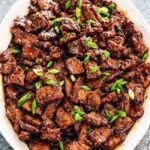
Slow Cooker Mongolian Beef is a rich, savory, slightly sweet dish inspired by the flavors commonly found in Chinese-American restaurants. Unlike traditional stir-fried versions that cook quickly over high heat, this slow cooker adaptation allows the beef to become exceptionally tender while absorbing a deeply flavorful sauce. The long, slow cooking process transforms inexpensive cuts of beef into a luxurious meal that pairs beautifully with rice, noodles, or steamed vegetables.
This detailed recipe is designed to produce a restaurant-quality Mongolian Beef with a glossy sauce, tender meat, and balanced flavors. The recipe serves 6 to 8 people and can easily be adjusted for larger gatherings.
Yield
6–8 servings
Preparation Time
25 minutes
Cooking Time
4–6 hours on low or 2–3 hours on high
Ingredients
For the Beef
2½ pounds flank steak, skirt steak, or sirloin steak
½ cup cornstarch
1 teaspoon salt
½ teaspoon black pepper
2 tablespoons vegetable oil
For the Mongolian Sauce
1 cup low-sodium soy sauce
1 cup water
1 cup dark brown sugar, packed
6 cloves garlic, finely minced
2 tablespoons fresh ginger, finely grated
2 tablespoons hoisin sauce
2 tablespoons oyster sauce
1 tablespoon sesame oil
1 teaspoon rice vinegar
½ teaspoon crushed red pepper flakes (optional)
For Thickening the Sauce
3 tablespoons cornstarch
3 tablespoons cold water
For Garnish
6 green onions, sliced
2 tablespoons toasted sesame seeds
Optional Vegetables
1 red bell pepper, sliced
1 yellow bell pepper, sliced
1 medium onion, sliced
1 cup broccoli florets
1 cup snow peas
Equipment Needed
6-quart or larger slow cooker
Large mixing bowl
Sharp knife
Cutting board
Measuring cups and spoons
Small whisk
Small bowl for slurry
Large skillet (optional for browning)
Selecting the Best Beef
Flank steak is often considered the classic choice for Mongolian Beef because it has excellent beef flavor and becomes tender when sliced properly. Skirt steak provides an even richer flavor but can be slightly chewier if overcooked. Sirloin offers a leaner option while still becoming tender during slow cooking.
Look for beef that has good marbling throughout the meat. Small streaks of fat melt during cooking and contribute significantly to the final texture and flavor.
Step 1: Prepare the Beef
Place the beef on a cutting board.
Using a sharp knife, trim away any large pieces of excess fat or silver skin.
Slice the beef against the grain into thin strips approximately ¼ inch thick and 2 to 3 inches long.
Cutting against the grain shortens the muscle fibers, resulting in more tender bites after cooking.
Transfer the sliced beef to a large mixing bowl.
Add:
½ cup cornstarch
1 teaspoon salt
½ teaspoon black pepper
Toss thoroughly until every piece of beef is evenly coated.
Allow the beef to rest for 10 minutes. During this time, the cornstarch begins adhering to the meat and will later help create a silky sauce texture.
Step 2: Optional Browning Process
While this step is not absolutely required, it significantly improves flavor.
Heat 2 tablespoons vegetable oil in a large skillet over medium-high heat.
Working in batches, add the beef.
Brown each batch for approximately 1 to 2 minutes per side.
The goal is not to cook the beef completely but to develop caramelized surfaces.
Transfer browned beef directly into the slow cooker.
Repeat until all beef has been browned.
The browned bits left in the skillet contain concentrated flavor compounds that contribute additional depth to the final dish.
Step 3: Prepare the Sauce
In a medium bowl combine:
1 cup soy sauce
1 cup water
1 cup brown sugar
6 cloves minced garlic
2 tablespoons grated ginger
2 tablespoons hoisin sauce
2 tablespoons oyster sauce
1 tablespoon sesame oil
1 teaspoon rice vinegar
½ teaspoon red pepper flakes if desired
Whisk until the sugar has mostly dissolved.
The mixture should appear smooth and evenly blended.
Taste the sauce.
If you prefer a sweeter Mongolian Beef, add 2 additional tablespoons brown sugar.
For more saltiness and depth, add 1 tablespoon soy sauce.
For more heat, increase the red pepper flakes.
Step 4: Assemble the Slow Cooker
Place the beef into the slow cooker if it is not already there.
Pour the prepared sauce over the meat.
Gently stir so that every piece is coated.
If using onions, place them on top.
If using bell peppers, broccoli, or snow peas, wait until later in the cooking process to prevent them from becoming overly soft.
Cover with the lid.
Step 5: Slow Cooking
Low Setting
Cook for 4 to 6 hours on LOW.
High Setting
Cook for 2 to 3 hours on HIGH.
The low setting is generally recommended because it produces the most tender texture.
Avoid opening the lid frequently. Each time the lid is removed, valuable heat escapes and cooking time may increase significantly.
After several hours, the beef should be fork-tender and infused with the sweet-savory sauce.
Step 6: Add Vegetables (Optional)
About 45 minutes before serving, add:
Bell peppers
Broccoli
Snow peas
Gently stir them into the sauce.
Replace the lid.
Continue cooking until the vegetables are tender but still slightly crisp.
This timing prevents them from becoming mushy.
Step 7: Thicken the Sauce
When the beef is fully cooked, prepare a cornstarch slurry.
In a small bowl combine:
3 tablespoons cornstarch
3 tablespoons cold water
Whisk until smooth.
Pour the slurry into the slow cooker.
Stir gently.
Cover and cook for an additional 20 to 30 minutes.
The sauce will gradually transform into a glossy, thick coating.
If an even thicker sauce is desired, prepare a second slurry using:
1 tablespoon cornstarch
1 tablespoon cold water
Add and cook another 15 minutes.
Step 8: Final Seasoning
Taste the finished sauce.
Adjust as needed:
For more sweetness: add brown sugar.
For more savory depth: add soy sauce.
For brightness: add a small splash of rice vinegar.
For heat: add red pepper flakes or chili oil.
Stir thoroughly.
Step 9: Garnishing
Just before serving, add:
Sliced green onions
Toasted sesame seeds
Reserve a small amount for topping individual servings.
The fresh onions provide contrast to the rich sauce, while sesame seeds contribute nuttiness and visual appeal.
Serving Suggestions
Serve over:
Steamed jasmine rice
Steamed basmati rice
Brown rice
Garlic noodles
Lo mein noodles
Rice noodles
Cauliflower rice
Mashed potatoes
For a complete meal, pair with:
Steamed broccoli
Asian cucumber salad
Garlic green beans
Stir-fried bok choy
Roasted vegetables
Egg rolls
Vegetable spring rolls
Storage Instructions
Allow leftovers to cool completely.
Transfer to airtight containers.
Refrigerate for up to 4 days.
The flavors often become even better after resting overnight.
Freezing Instructions
Place cooled Mongolian Beef in freezer-safe containers or freezer bags.
Freeze for up to 3 months.
Label containers with the date.
Thaw overnight in the refrigerator before reheating.
Reheating Instructions
Microwave
Place desired portion in a microwave-safe dish.
Cover loosely.
Heat in 30-second intervals, stirring between intervals.
Stovetop
Place beef and sauce in a saucepan.
Heat over medium-low heat.
Stir occasionally until fully warmed.
Add a small splash of water if the sauce becomes too thick.
Tips for Exceptional Slow Cooker Mongolian Beef
Use fresh ginger rather than powdered ginger whenever possible.
Choose low-sodium soy sauce to maintain better control over saltiness.
Slice beef evenly to ensure uniform cooking.
Do not overcook vegetables.
Brown the beef before slow cooking for maximum flavor development.
Allow the sauce sufficient time to thicken after adding the slurry.
Toast sesame seeds in a dry skillet for enhanced aroma.
Cook on low whenever schedule permits for the most tender results.
Use dark brown sugar instead of light brown sugar for deeper molasses notes.
Serve immediately after thickening for the best texture and presentation.
Nutritional Estimate Per Serving
Calories: approximately 450–550
Protein: 35–40 grams
Carbohydrates: 25–35 grams
Fat: 18–22 grams
Fiber: 1–3 grams
Sugar: 18–25 grams
Sodium: varies depending on soy sauce used
This slow cooker Mongolian Beef delivers tender slices of beef coated in a luxurious sweet-savory sauce with garlic, ginger, soy, and sesame flavors. The extended cooking process creates a comforting, deeply flavored dish that rivals restaurant versions while requiring minimal hands-on effort.