 admin1
 Introduction
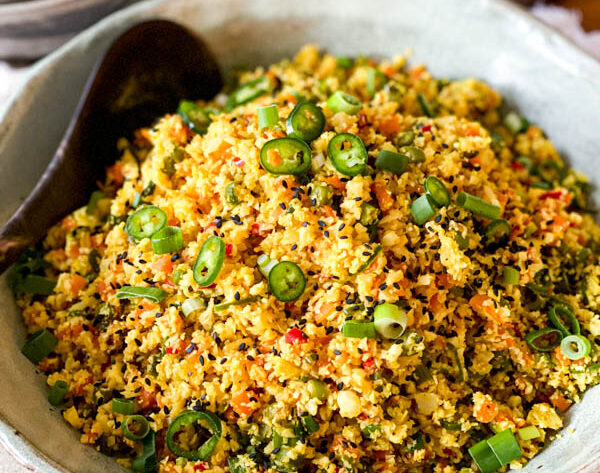
Cauliflower Fried Rice is a healthy, low-carbohydrate alternative to traditional fried rice made by finely grating or processing cauliflower into rice-sized pieces and stir-frying it with vegetables, eggs, seasonings, and optional proteins. It is widely popular in keto, low-carb, paleo, diabetic-friendly, and weight-management diets because it provides the texture and satisfaction of fried rice while containing significantly fewer carbohydrates and calories.
When prepared correctly, Cauliflower Fried Rice is light, fluffy, slightly tender, and packed with savory flavor. The cauliflower absorbs seasonings beautifully while maintaining a rice-like texture without becoming mushy. Combined with colorful vegetables, eggs, garlic, and soy sauce, it creates a satisfying meal that can be served as a main dish or side dish.
This detailed recipe explains ingredients, preparation method, cooking technique, texture control, flavor variations, storage, troubleshooting, nutritional benefits, and professional tips.
Preparation Time
Preparation time: 15 to 20 minutes
Cooking time: 10 to 15 minutes
Total time: 25 to 35 minutes
Yield
Serves 4 people
Ingredients
Cauliflower Rice Base
1 large head cauliflower (about 800 to 1000 grams)
OR
5 to 6 cups pre-riced cauliflower
Vegetables
1/2 cup carrots, finely diced
1/2 cup green peas
1/2 cup bell peppers, diced
1/4 cup green onions, sliced
1/4 cup onion, finely chopped
Protein Add-ins (Optional)
2 eggs, lightly beaten
1 cup cooked chicken, diced
1 cup cooked shrimp
1/2 cup tofu cubes
Seasonings
2 tablespoons soy sauce
1 teaspoon sesame oil
1/2 teaspoon salt
1/2 teaspoon black pepper
1 teaspoon garlic, minced
1 teaspoon ginger, minced
1/4 teaspoon chili flakes (optional)
Cooking Fat
1 tablespoon olive oil
1 tablespoon butter or additional oil
Garnish
2 tablespoons green onions
1 teaspoon sesame seeds
Fresh cilantro or parsley (optional)
Understanding Cauliflower Fried Rice
Cauliflower Fried Rice is designed to mimic the appearance and texture of traditional rice while significantly reducing carbohydrate content.
The cauliflower serves as the base and absorbs flavors from seasonings, vegetables, and proteins.
Unlike regular rice, cauliflower contains a high amount of moisture. Proper cooking techniques are essential to remove excess water and maintain a fluffy texture.
The goal is to create a dish that is flavorful, slightly crisp, and well-seasoned rather than soft and watery.
Preparing the Cauliflower Rice
Wash and thoroughly dry the cauliflower.
Remove the leaves and thick stem.
Cut the cauliflower into florets.
Using a food processor, pulse the florets until they resemble rice grains.
Avoid over-processing because this can turn the cauliflower into a paste.
If a food processor is unavailable, use a box grater to grate the cauliflower manually.
Spread the cauliflower rice on a clean kitchen towel and gently press to remove excess moisture if needed.
This step helps improve texture during cooking.
Preparing the Vegetables
Finely dice all vegetables into small, uniform pieces.
Smaller pieces cook quickly and distribute evenly throughout the dish.
If using frozen peas, thaw and drain them before cooking.
Prepare all ingredients beforehand because stir-frying occurs rapidly.
Preparing Optional Proteins
If using chicken, shrimp, or tofu, ensure they are fully cooked before adding them to the fried rice.
Cut proteins into bite-sized pieces for even distribution.
If using eggs, beat them lightly in a bowl and set aside.
Cooking the Aromatics
Heat a large wok or skillet over medium-high heat.
Add olive oil and butter.
Once heated, add chopped onions.
Cook for 2 to 3 minutes until softened.
Add minced garlic and ginger.
Cook for approximately 30 seconds until fragrant.
Avoid burning the garlic because it can create bitterness.
Cooking the Vegetables
Add carrots, bell peppers, and peas.
Stir-fry for 3 to 4 minutes.
The vegetables should become slightly tender while retaining some crispness.
Avoid overcooking because vegetables continue cooking later with the cauliflower rice.
Cooking the Eggs
Push the vegetables to one side of the pan.
Pour beaten eggs into the empty side.
Allow them to set briefly before scrambling.
Cook until just done and then mix with the vegetables.
This technique creates small egg pieces similar to restaurant-style fried rice.
Adding the Cauliflower Rice
Add the prepared cauliflower rice to the skillet.
Stir continuously to combine all ingredients.
Cook over medium-high heat for approximately 5 to 7 minutes.
The cauliflower should soften slightly while excess moisture evaporates.
Do not cover the pan because trapped steam can make the cauliflower mushy.
Seasoning the Fried Rice
Add soy sauce, sesame oil, salt, black pepper, and chili flakes if using.
Mix thoroughly to ensure even distribution.
If using cooked proteins, add them during this stage.
Continue stir-frying for 2 to 3 minutes until everything is heated through and evenly coated with seasoning.
Final Cooking Stage
Taste and adjust seasoning as necessary.
If more flavor is desired, add a small amount of soy sauce.
If additional richness is preferred, add a small amount of butter.
Remove from heat once the cauliflower remains fluffy and most moisture has evaporated.
Texture and Flavor Profile
Proper Cauliflower Fried Rice should be light, fluffy, and slightly firm rather than soft or watery.
The cauliflower should resemble rice grains while maintaining a subtle vegetable sweetness.
The vegetables provide freshness and crunch, while garlic, ginger, soy sauce, and sesame oil contribute savory depth and aroma.
Each bite should deliver a balance of textures and flavors without any ingredient overpowering the others.
Serving Suggestions
Serve hot as a main meal or side dish.
It pairs well with grilled chicken, salmon, shrimp, steak, tofu, stir-fried vegetables, or Asian-inspired dishes.
For additional flavor, drizzle with extra sesame oil or garnish with green onions and sesame seeds.
Flavor Variations
Chicken Cauliflower Fried Rice includes diced cooked chicken for extra protein.
Shrimp Fried Cauliflower Rice adds seafood flavor and texture.
Spicy Version incorporates chili garlic sauce, sriracha, or additional chili flakes.
Garlic Butter Version uses extra butter and roasted garlic for richer flavor.
Asian-Inspired Version includes mushrooms, bok choy, and a splash of rice vinegar.
Thai-Inspired Version uses lime juice, cilantro, and crushed peanuts.
Common Mistakes and Solutions
If the cauliflower rice becomes mushy, it was overcooked or contained too much moisture.
If the dish tastes bland, increase seasonings gradually and add more aromatics.
If the cauliflower remains too firm, cook for an additional few minutes while stirring.
If excess water collects in the pan, increase heat and continue cooking uncovered.
If vegetables become soft, they were cooked too long before adding the cauliflower.
Nutritional Benefits
Cauliflower is naturally low in calories and carbohydrates while being rich in fiber, vitamin C, vitamin K, and antioxidants.
The dish provides a nutrient-dense alternative to traditional rice while supporting low-carb and ketogenic lifestyles.
When combined with eggs and protein sources, it becomes a balanced meal rich in protein, healthy fats, vitamins, and minerals.
Approximate Nutrition Per Serving
Calories: 180 to 280
Protein: 8 to 18 grams
Fat: 8 to 15 grams
Net Carbohydrates: 5 to 10 grams
Fiber: 3 to 5 grams
Values vary depending on ingredients and protein additions.
Storage Instructions
Store leftovers in an airtight container in the refrigerator for up to 4 days.
Allow the fried rice to cool completely before refrigerating.
Do not leave at room temperature for extended periods.
Reheating Instructions
Reheat in a skillet over medium heat for the best texture.
Cook for a few minutes until warmed through.
Microwave reheating is possible, although skillet reheating helps remove excess moisture and preserves texture.
Meal Prep Tips
Prepare cauliflower rice in advance and store refrigerated for up to 2 days.
Pre-cut vegetables to reduce preparation time.
Cook proteins separately and portion into meal-prep containers.
Store garnishes separately for maximum freshness.
Professional Tips
Use medium-high heat throughout cooking to prevent sogginess.
Avoid overcrowding the pan.
Cook uncovered to allow moisture evaporation.
Season gradually and taste frequently.
Fresh cauliflower generally produces better texture than frozen cauliflower rice.
Use a large wok or skillet to maximize surface area and achieve restaurant-style stir-frying.
Final Recipe Summary
Cauliflower Fried Rice is a healthy low-carb alternative to traditional fried rice made by stir-frying cauliflower rice with vegetables, eggs, seasonings, and optional proteins. It is light, flavorful, nutrient-dense, and highly versatile, making it an excellent choice for keto, paleo, diabetic-friendly, and weight-conscious meal plans while still delivering the satisfying taste and texture of classic fried rice.