 admin1
Low Carb Keto Pancakes That Turn Out Soft, Fluffy, and Full of Flavor
There are mornings when only a stack of warm pancakes feels right. Whether it’s a relaxed weekend breakfast or a quick homemade meal before starting the day, pancakes have a way of bringing comfort to the table. Traditional pancakes, however, are usually made with all-purpose flour and contain more carbohydrates than many people following a low-carb lifestyle prefer. That doesn’t mean pancakes have to disappear from the menu. With a few thoughtful ingredient choices, it’s possible to enjoy pancakes that are light, fluffy, and satisfying while staying lower in carbohydrates.
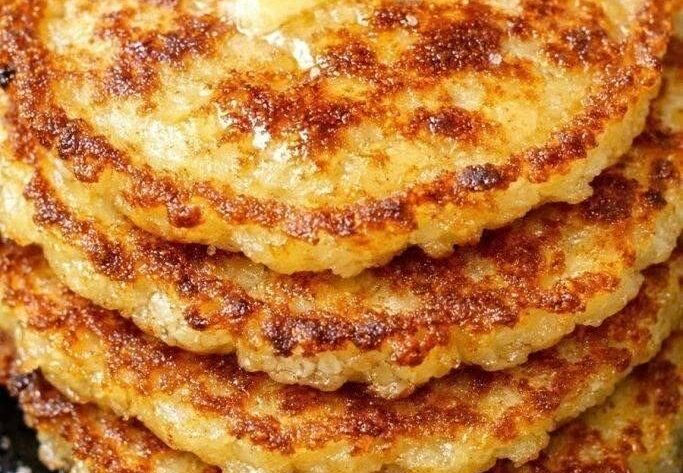
This keto pancake recipe has become one of my favorite breakfasts because it delivers the familiar taste and texture of classic pancakes without relying on regular flour. The batter comes together in just a few minutes, cooks beautifully in a non-stick skillet, and creates pancakes that are soft in the center with lightly golden edges. They pair perfectly with butter and sugar-free syrup, making them feel just as comforting as the traditional version.
Unlike many low-carb pancake recipes that can be dry, dense, or overly eggy, this version has a balanced texture that closely resembles homemade pancakes. The combination of almond flour and cream cheese creates a smooth batter that cooks evenly while remaining tender. Once I found this combination, it quickly became my go-to breakfast whenever I wanted something filling without making a complicated meal.
Why I Keep Coming Back to This Recipe
- One thing I appreciate most about these pancakes is how dependable they are. Every time I make them, the batter mixes together quickly, the pancakes cook evenly, and they come out fluffy without requiring any complicated techniques.
- Some keto recipes involve separating eggs, whipping egg whites until stiff peaks form, or carefully folding ingredients together to keep air in the batter. While those methods can work, they also take extra time and create more dishes to wash afterward.
- This recipe keeps things simple. Everything goes into the blender, blends until smooth, rests for a couple of minutes, and is ready for cooking. That straightforward process makes it easy enough for busy weekday mornings while still being special enough for weekends.
- The ingredients are also easy to find in most grocery stores, making this recipe practical instead of requiring specialty products.
What Makes These Pancakes Different?
- Many low-carb pancake recipes don’t quite recreate the texture people expect. Some become crumbly, while others taste more like baked eggs than pancakes.
- The biggest difference here comes from choosing ingredients that work together naturally.
- Cream cheese contributes moisture and richness, helping create a batter that cooks into soft pancakes instead of dry ones.
- Eggs provide structure while keeping everything light.
- Almond flour gives the pancakes their body without adding unnecessary carbohydrates.
- A little baking powder creates lift, helping the pancakes puff slightly as they cook.
- Vanilla extract and cinnamon add familiar breakfast flavors that make these pancakes taste warm and comforting without overwhelming the other ingredients.
- The result is a pancake that looks, smells, and tastes remarkably close to the traditional version.
Choosing the Right Almond Flour
- One small detail makes a surprisingly big difference in this recipe: the type of almond flour.
- Super-fine blanched almond flour creates the softest texture because the almonds have been peeled before grinding. The flour is pale in color and feels almost as fine as regular wheat flour.
- Almond meal, on the other hand, is much coarser. It usually contains the almond skins, giving it darker specks and a rougher texture. While almond meal works well in some baked goods, it can make pancakes feel heavier and less smooth.
- For the best results, always use finely ground blanched almond flour.
- This simple choice helps produce pancakes with a much lighter texture.
Why Cream Cheese Works So Well
- Cream cheese may seem unusual in pancake batter, but it plays an important role.
- Instead of making the pancakes taste like cheesecake, it simply adds richness and moisture.
- Because almond flour behaves differently than wheat flour, recipes often need additional fat and moisture to prevent dryness. Cream cheese solves that problem naturally.
- Once blended with the eggs and water, it becomes completely smooth and blends seamlessly into the batter.
- As the pancakes cook, the cream cheese helps create a soft interior while giving the outside a delicate golden finish.
- The finished pancakes don’t taste like cream cheese—they simply taste rich and homemade.
Blending Makes the Batter Better
- One reason this recipe is so easy is that the batter is blended instead of mixed by hand.
- Since cream cheese is much thicker than milk or melted butter, blending ensures everything combines evenly.
- Starting with the eggs, water, and cream cheese allows the blender blades to break down the cream cheese before the dry ingredients are added.
- Once the almond flour, baking powder, cinnamon, vanilla, and sweetener are blended in, the batter becomes silky and lump-free.
- After blending, allowing the batter to sit for about two minutes is an important step.
- During this short rest, the almond flour absorbs some moisture, creating a slightly thicker batter that’s easier to pour and cooks into fluffier pancakes.
Cooking Pancakes Without Burning Them
- A medium heat setting works best for these pancakes.
- If the skillet becomes too hot, the outside may brown before the center has time to cook.
- If the heat is too low, the pancakes may spread too much before setting.
- A lightly heated non-stick skillet allows the batter to spread naturally while holding its shape.
- Pouring about three to four tablespoons of batter creates pancakes that are easy to flip.
- Rather than flipping immediately, it’s best to wait until small bubbles begin forming across the surface.
- Those bubbles indicate that the batter has started cooking through.
- Using a wide spatula, gently flip each pancake and continue cooking until both sides are evenly golden.
- Avoid pressing the pancakes with the spatula, as doing so removes the air that helps keep them soft.
Flavor Without Extra Carbs
- Although these pancakes are made with simple ingredients, they still have plenty of flavor.
- Vanilla extract provides sweetness without adding sugar.
- Cinnamon gives each bite a warm aroma that pairs beautifully with butter.
- The sweetener balances the flavor while keeping the recipe suitable for a low-carb lifestyle. If preparing these pancakes for family members who are not following a keto diet, regular sugar can be used exactly as listed in the ingredient options.
- Once cooked, a little butter melting over the warm pancakes creates an incredibly satisfying finish.
- Adding sugar-free syrup completes the classic pancake experience while keeping the carbohydrate content low.
Tips for the Best Low Carb Keto Pancakes Every Time
- Once you’ve made these pancakes a few times, you’ll notice how forgiving the recipe is. Even though the ingredient list is simple, paying attention to a few small details can make the pancakes even softer and more flavorful. Over time, these little habits have become part of my routine whenever I prepare them.
- One of the easiest ways to ensure consistent results is to measure the almond flour accurately. Scooping directly from the bag can sometimes pack too much flour into the measuring cup, resulting in a thicker batter. Instead, lightly spoon the flour into the measuring cup and level it with a knife. This keeps the batter balanced and helps the pancakes cook evenly.
- Another helpful tip is to avoid rushing the cooking process. Medium heat gives the pancakes enough time to cook through while developing a beautiful golden color. A skillet that is too hot may brown the outside before the inside is fully set.
The Importance of Letting the Batter Rest
- Although the batter comes together in only a few minutes, allowing it to rest briefly before cooking makes a noticeable difference.
- Almond flour absorbs moisture more slowly than wheat flour. During those two minutes of resting, the batter thickens slightly, making it easier to pour and helping the pancakes hold their shape.
- If the batter seems a little thin immediately after blending, don’t worry. After resting, it naturally reaches a better consistency without needing extra flour.
- This small step is easy to overlook, but it contributes to the soft, fluffy texture that makes these pancakes so enjoyable.
Easy Serving Ideas
- These pancakes are delicious straight from the skillet with a small pat of butter and sugar-free syrup. That classic combination is often all they need.
- For a little variety, you can also serve them with fresh berries if they fit within your dietary goals. A few sliced strawberries or blueberries add natural sweetness and a pop of color without overpowering the pancakes.
- Another simple option is a spoonful of whipped cream for a special weekend breakfast. Because the pancakes themselves have a mild vanilla and cinnamon flavor, they pair well with a variety of toppings while still tasting great on their own.
- If you’re preparing breakfast for family members who aren’t following a low-carb lifestyle, regular maple syrup can be served alongside the sugar-free version, allowing everyone to enjoy the same pancakes.
Make-Ahead and Meal Prep
- One of my favorite things about this recipe is how well the pancakes store. Making a double or even triple batch saves time throughout the week and makes busy mornings much easier.
- After the pancakes have cooled completely, stack them with a small piece of parchment paper between each one if desired. This helps prevent sticking and makes it easy to remove only the number you need.
- Store them in an airtight container or a zip-top storage bag in the refrigerator for several days.
- When it’s time to enjoy them again, simply reheat them in the microwave until warmed through. They stay soft and tender without drying out.
- For longer storage, wrap individual pancakes or small stacks tightly and place them in the freezer. Reheat directly from frozen or allow them to thaw overnight in the refrigerator before warming.
- Having homemade pancakes ready to go makes breakfast feel effortless, especially on busy mornings.
Common Mistakes to Avoid
- Even though this recipe is simple, avoiding a few common mistakes will help you achieve the best results every time.
- Using Almond Meal Instead of Almond Flour
- This is probably the most common issue. Almond meal has a much coarser texture and can make the pancakes feel grainy. Super-fine blanched almond flour produces a much lighter pancake.
- Cooking Over High Heat
- Higher heat may seem like a quicker option, but it often causes uneven cooking. The pancakes brown too quickly while remaining undercooked in the center.
- Flipping Too Early
- Wait until bubbles appear across the surface and the edges begin to set before turning the pancake. Flipping too soon can cause it to break apart.
- Skipping the Blender
- While it’s possible to mix everything by hand, blending creates a smoother batter by fully incorporating the cream cheese. The result is a much more even texture.
Why This Recipe Deserves a Place in Your Breakfast Rotation
- Finding a low-carb breakfast that feels just as comforting as a traditional favorite isn’t always easy. These keto pancakes prove that you don’t have to sacrifice flavor or texture to enjoy a homemade breakfast that fits your lifestyle.
- The ingredients are simple, the preparation is quick, and the pancakes cook beautifully every time. They have a soft interior, lightly golden exterior, and just enough vanilla and cinnamon to create a warm, familiar flavor.
- Whether you’re following a keto lifestyle, reducing carbohydrates, eating gluten-free, or simply looking for a delicious homemade pancake recipe, this version is one you’ll likely make again and again.
- Serve them fresh with butter and syrup, prepare extra for meal prep, or freeze a batch for later in the week. However you enjoy them, these pancakes deliver the comfort of a classic breakfast while keeping the ingredient list simple and the cooking process easy.
- Once you make them for the first time, they’re likely to become a regular part of your breakfast menu because they offer everything you’d expect from homemade pancakes—soft texture, rich flavor, and a satisfying bite—all while staying low in carbs.
Low Carb Keto Pancakes (Recipe Card)
Description
- These Low Carb Keto Pancakes are soft, fluffy, and easy to prepare with everyday keto-friendly ingredients. Made with almond flour and cream cheese, they have a tender texture and a lightly sweet flavor with hints of vanilla and cinnamon. The batter comes together quickly in a blender, making breakfast simple whether you’re cooking for a relaxed weekend or preparing meals ahead for busy mornings. Serve them warm with butter and your favorite sugar-free syrup for a satisfying low-carb breakfast.
Recipe Information
- Prep Time: 5 minutes
- Cook Time: 10 minutes
- Total Time: 15 minutes
- Yield: 6 medium pancakes (approximately 2 servings)
- Cuisine: American
- Category: Breakfast, Low Carb
Ingredients
- 2 large eggs
- 1 tablespoon water
- 2 ounces cream cheese, cut into small cubes
- ⅔ cup almond flour
- 1 teaspoon baking powder
- 2 teaspoons vanilla extract
- ½ teaspoon ground cinnamon
- ½ teaspoon SweetLeaf stevia sweetener or 2 tablespoons regular sugar
- Butter, for serving
- Sugar-free syrup for a low-carb option (or regular syrup if preferred)
Instructions
- Step 1: Blend the Batter
- Place the eggs, water, and cubed cream cheese into a blender first. Add the almond flour, baking powder, vanilla extract, cinnamon, and sweetener.
- Blend until the mixture becomes smooth and creamy. If needed, stop the blender once or twice to scrape down the sides so everything is fully combined.
- Step 2: Let the Batter Rest
- Allow the batter to sit for about 2 minutes. This gives the almond flour time to absorb moisture, resulting in a slightly thicker batter and fluffier pancakes.
- Step 3: Heat the Pan
- Warm a non-stick skillet or griddle over medium heat. There’s usually no need to grease the pan, but a light coating of butter can be used if desired.
- Step 4: Cook the Pancakes
- Pour about 3 to 4 tablespoons of batter onto the hot skillet for each pancake.
- Cook until small bubbles begin to appear on the surface and the edges look set.
- Carefully flip each pancake with a spatula and continue cooking until the second side is lightly golden and the center is fully cooked.
- Repeat until all of the batter has been used.
- Step 5: Serve
- Serve the pancakes warm with butter and sugar-free syrup. If you’re not following a low-carb diet, regular maple syrup can also be used.
Helpful Notes
- For the softest texture, use super-fine blanched almond flour rather than almond meal.
- Resting the batter before cooking helps improve consistency and makes the pancakes easier to flip.
- Cook over medium heat to prevent the outside from browning too quickly.
- A blender creates the smoothest batter by fully incorporating the cream cheese.
- Leftover pancakes can be stored in an airtight container in the refrigerator for several days.
- Reheat in the microwave until warmed through.
- For longer storage, wrap individual pancakes and freeze them. Reheat directly from frozen or thaw overnight before warming.
Serving Suggestions
- Top with butter and sugar-free maple syrup.
- Add a sprinkle of cinnamon for extra warmth.
- Serve with fresh berries if they fit your dietary goals.
- Pair with coffee, tea, or your favorite breakfast beverage.
Storage
- Refrigerator: Store cooled pancakes in an airtight container or zip-top bag for up to 4 days.
- Freezer: Freeze individually wrapped pancakes or stack them with parchment paper between each one. Store in a freezer-safe bag for up to 2 months.
- Reheating: Warm in the microwave or on a skillet over low heat until heated through.
Nutrition (Approximate)
Serving Size: 3 pancakes
- Calories: 391 kcal
- Carbohydrates: 7.8 g
- Net Carbohydrates: 4.2 g
- Protein: 14.9 g
- Fat: 33 g
- Fiber: 3.6 g
- Sugar: 2.7 g